

How to Start a Parenting Class Business That Parents Actually Love (Expert Guide)
Parents often feel overwhelmed when looking for good advice about raising their children. Starting a parenting class business helps these families and creates a rewarding career path.
The startup investment ranges from $500 to $6,000, making this business available to passionate people. The ICF Global Coaching Study shows coaches earn an average of $62,500, while experienced professionals with 6-10 years make $75,000 to $90,000 yearly. A mom’s success story proves what’s possible – she built an international parent coaching business that brings in $10,000 monthly, and she started with no money or clear plan.
Building a successful parenting coach career needs careful planning. Your curriculum must deliver real value because “the heart of your parenting classes business lies within its curriculum.” Setting the right price means balancing competitive rates with healthy profits.

This complete guide will show you how to create a parent coaching business that strikes a chord with clients. You’ll learn everything from defining your mission to growing your services while maintaining quality. The guide covers certifications, business models, key tools, and marketing approaches to build a parenting class business that parents truly value.
Clarify Your Mission and Coaching Niche
A clear purpose and direction will serve as the foundation of your parenting class business. Your business needs a compass to guide decisions and growth, just as other businesses use mission statements.
Why do you want to start a parenting class business?
Your personal motivation is the starting point of a parenting class business. What makes you passionate about helping families? Maybe you became skilled at sleep training techniques that worked great for your baby, and your friends successfully used your strategies. These successes can help your future clients.
Your mission statement should state your business’s purpose, who you serve, what you do, and how you give value. This goes beyond making money to create lasting positive effects. You might want to:
- Give parents practical skills and inspiration
- Support them emotionally during tough transitions
- Build a community where parents connect
- Share proven strategies for specific parenting challenges
Note that your mission changes as you grow. Stephen Covey points out that a family mission statement is “a combined, unified expression from all family members of what your family is all about, what it is you really want to do and be”. Your business mission will also evolve.
Choose a niche: new parents, teens, co-parenting, etc.
Parenting coaching offers many areas of specialization. You can deliver more value and stand out by focusing on a specific niche instead of trying to help everyone.

Popular parenting coaching niches include:
- Baby sleep coaching
- Breastfeeding support
- Communication coaching
- Co-parenting after divorce
- Parenting children with ADHD
- Nutrition guidance for families
- Foster parent mentoring
Your perfect niche might not be obvious right away. Many coaches work with clients before finding their area of greatest interest and expertise. Your existing “superpower”, whether from teaching experience or raising a child with special needs, can point you in the right direction.
Market trends play a role, too. The coaching industry has grown 60% since 2019. Clients often seek help with setting meaningful goals, handling major transitions, and building mindset and resilience.
Match your mission to your audience’s needs
Your parenting class business will strike a chord when your mission tackles real parent problems. The Putting Kids First Co-Parenting Class focuses on “the enhancement of children’s ability to function within their families” while teaching “effective communication and conflict resolution skills” for parents.

Your business strategy depends on knowing your ideal clients. Build detailed profiles of their age, profession, background, challenges, goals, and information sources. A mission targeting divorcing parents might focus on building healthy co-parenting relationships and lowering their children’s stress.
Your mission statement should be simple, memorable, and easy to apply daily. Get feedback on your draft from key people, potential clients, colleagues, or mentors. Their input offers valuable insights and ensures your mission connects with your target audience.
A clear mission and niche create a strong foundation for your parenting class business that gives real value and draws the right clients for your expertise.
Start with Real-Life Experience or Training
Great parenting coaches combine personal experience with professional knowledge. Your genuine insights make your teaching relatable and practical; parents value these qualities a lot.
Your own parenting experience builds the foundation
Many successful parenting coaches find their calling through family experiences. Danielle Ridgway switched to parenting coaching after 15 years in corporate project management because she “found herself struggling when she’d assumed she would be a wonderful parent”. Her personal challenge became her strength.
Parents respect coaches who’ve walked in their shoes. Your parenting struggles and wins give you the real view that clients appreciate. Lisa Krug moved from human resources to full-time motherhood and later combined her professional goals with her parenting role.

Personal experience lets you:
- Speak from real understanding instead of textbook theory
- Share practical solutions you’ve tested yourself
- Build emotional connections with your client’s frustrations and hopes
A coach mentioned that “The training was super healing for me, and gave me a lot of energy as a coach to be able to give that to my clients”.
The path to becoming a parenting coach
Becoming a parenting coach requires both education and hands-on experience. Jessica Bennett, a former therapist, moved to parent coaching because she “needed clear, actionable guidance on being a Mom”. Her background plus targeted training created a strong foundation.
Most aspiring parenting coaches should:
- Get a relevant education in psychology, education, or related fields
- Work hands-on with different types of families
- Pick a specialized focus that matches your strengths
- Build a portfolio showing your experience and results
Your approach should reflect your unique background. Tamara Young chose coaching after 13 years of military service to “improve her scientific understanding of behavior with nervous system, attachment, mindsight, and brain science”.
Bookeo’s appointment scheduling software helps you gather practical experience quickly. You can manage practice sessions, track client progress, and collect feedback with its reliable features, all key parts of developing your coaching skills.
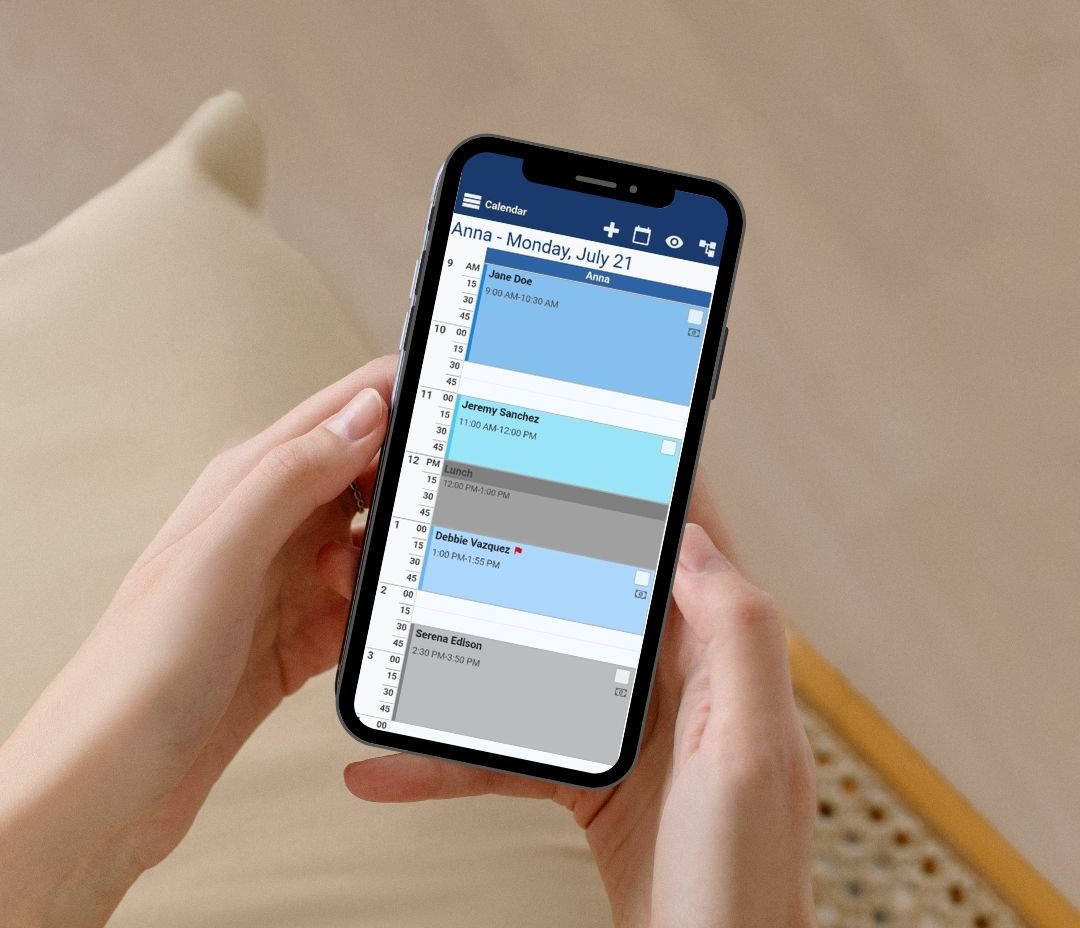
Your website’s professional interface builds credibility with potential clients who book consultations.
Certification adds credibility
Certification isn’t legally required, but it builds your credibility and confidence by a lot. One coach explains that certification “validates your expertise, enhances your skills, and instills confidence in both you and your clients”.
The certification cost varies quite a bit; good programs cost between $3,000 and $12,000. This training pays off through increased client trust and higher rates.
Popular certification options include:
- Parent Coaching Institute (PCI) with 100 hours of coaching practicum
- Jai Institute for Parenting’s 24-week program focused on attachment science
- American SPCC’s accredited Parent Coach Certification Program
Most people complete certification in 6-12 months. Programs offer complete education in coaching methods, attachment theory, and communication skills.
“Certified coach training will help shape your coaching skills, and assist you in working ethically as a parent coach”. International Coaching Federation (ICF) credentials add professional weight to your services.
Note that certification gives you more than credibility; it provides systematic training to help create real change in families. A graduate shared, “The Jai Institute for Parenting’s Parent Coach Certification Program has not only transformed my parenting, it has transformed every aspect of my life”.
Design a Class That Parents Actually Enjoy
Parents learn best when they have fun while picking up practical skills. A thoughtful design that values parents’ time and tackles their actual needs works better than just sharing information.
Make sessions interactive and relatable
Lectures don’t work well with parents. Active Parenting’s online classes succeed because they pack their sessions with activities and discussions instead of one-sided talks. Parents retain information better and stay involved through interactive elements.

Here are some ways to keep parents engaged:
- Break content into bite-sized segments (45-120 minutes per session)
- Let groups discuss common parenting challenges
- Give hands-on practice with new techniques
- Share key points through humor and stories
“If you love to laugh while learning, our online parenting courses are just what you need!” says one successful program. Learning sticks better when people enjoy themselves.
The schedule must work for parents, too. The University of Wisconsin’s parenting program runs “bite-sized, practical sessions held virtually over the lunch hour”. Small groups of 5-25 participants work best. This size allows meaningful interaction without overwhelming anyone.
Bookeo advantage: Bookeo’s scheduling software helps organize these interactive sessions smoothly. Parents pick classes that fit their schedules, get automatic reminders, and fill out pre-class questionnaires. This streamlines your administrative work so you can focus on creating excellent content.
Use real-life scenarios and role-playing
Role-playing helps parents learn effectively. They can practice their responses to common challenges safely before facing them at home.
A good role-playing session works like this:
Small, simple exercises tied to clear learning goals come first. Parents then work through everyday situations like handling tantrums or getting kids to cooperate. Quick, helpful feedback helps them improve their approach.
“Role-playing is playing pretend with a specific purpose in mind,” one parenting expert explains. “It’s practicing a particular behavior so your children understand what is required of them”. Parents learn new skills the same way.
Studies back this up – role-play guides parents toward better behavior after training. Parents feel more confident using new techniques after practicing in class.
Balance education with emotional support
Good parenting classes teach both practical skills and emotional awareness. One program puts it well: “Parenting doesn’t come with a manual… there are resources for live support that can guide you toward a more effective approach”.
A supportive environment needs:
- A judgment-free space where parents share their struggles openly
- Support that proves their challenges right while offering solutions
- Tools to help parents handle their emotions
- Self-care lessons alongside childcare techniques
Research shows these classes build confidence by giving parents reliable tools. Parents gain clarity about tantrums and setting boundaries instead of feeling uncertain.
Parents just need people who support them during tough times. Your class might be their only source of support and validation.
Interactive sessions, realistic role-play, and a mix of education with emotional support will help you create parenting classes people want to attend. This approach builds a parenting class business that runs on long-term success.
Choose the Right Business Model
Selecting the right business model is a vital step to creating a successful parenting class business. The right approach helps balance your expertise with parent needs and maximizes income potential.
Offer packages, subscriptions, or drop-in classes
Your pricing model affects both income stability and client commitment.

Here are some options based on your teaching style and target audience:
- Package-based pricing gives the strongest results for most parenting coaches. Clients pay upfront for a specific program, such as a 3-month coaching commitment. This model works well because it positions your coaching based on results rather than hourly rates. New coaches should start at $1,500 for a 3-month package as a good baseline, with room to increase as they gain experience.
- Monthly subscriptions create predictable revenue through retainer contracts. Foundational Family uses this model for their mastermind groups that meet online twice monthly for consistent support. This creates steady income, but some coaches find it harder to set boundaries with ongoing clients.
- Drop-in classes give flexibility but less financial predictability. A Mother’s Place uses this approach for their winter playgroups and charges a low monthly fee for weekly access. This works best for supplementary offerings beyond core services.
The Heartful Parent shows a ground example by offering multiple tiers: transformation packages (12 weeks), clarity packages (8 weeks), and single consultations. This multi-tiered approach lets parents pick their level of commitment.
Combine coaching with workshops or webinars
Broadening your service formats attracts different client priorities:
Workshops give intensive, time-limited learning experiences. The Calming Mind’s Strengths-Based Parenting workshop blends teaching with experiential learning over seven weeks and concludes with an individual coaching session for $650. This hybrid approach lets parents learn in groups yet receive tailored attention.

Group coaching sessions build community while serving multiple clients at once. Parents often find group learning more comfortable because they learn about peers’ experiences alongside their expertise. Foundational Family’s Parent Coaching Workshops consist of two 2.5-hour sessions where parents identify their parenting style and improve their strengths.
Webinars and online courses help scale your business without increasing time investment. These pre-recorded or live sessions can guide clients toward your more personalized services. Free webinars attract leads while in-depth material stays reserved for paying clients.
Your physical setup matters too. You need “a space for your sessions that gives you and your clients privacy and is free from interruptions”. This applies to both in-person meetings and professional virtual sessions.
How to start a parent coaching business online
The digital world offers flexibility and expanded reach for parenting coaches.
Start by choosing your meeting format. You can connect with clients “either in person or over Zoom, FaceTime, or any other online video platform”. This flexibility lets you work with local and remote clients at the same time.
Payment processing comes next. PayPal and Stripe work best for international clients and let you “easily create invoices and even schedule them in advance”. Both platforms send invoices automatically, which simplifies financial management.
Bookeo advantage: Scheduling software is a vital tool for parenting coaches starting online businesses. Bookeo’s robust system helps manage appointments efficiently, accept secure payments, and automate client communications.
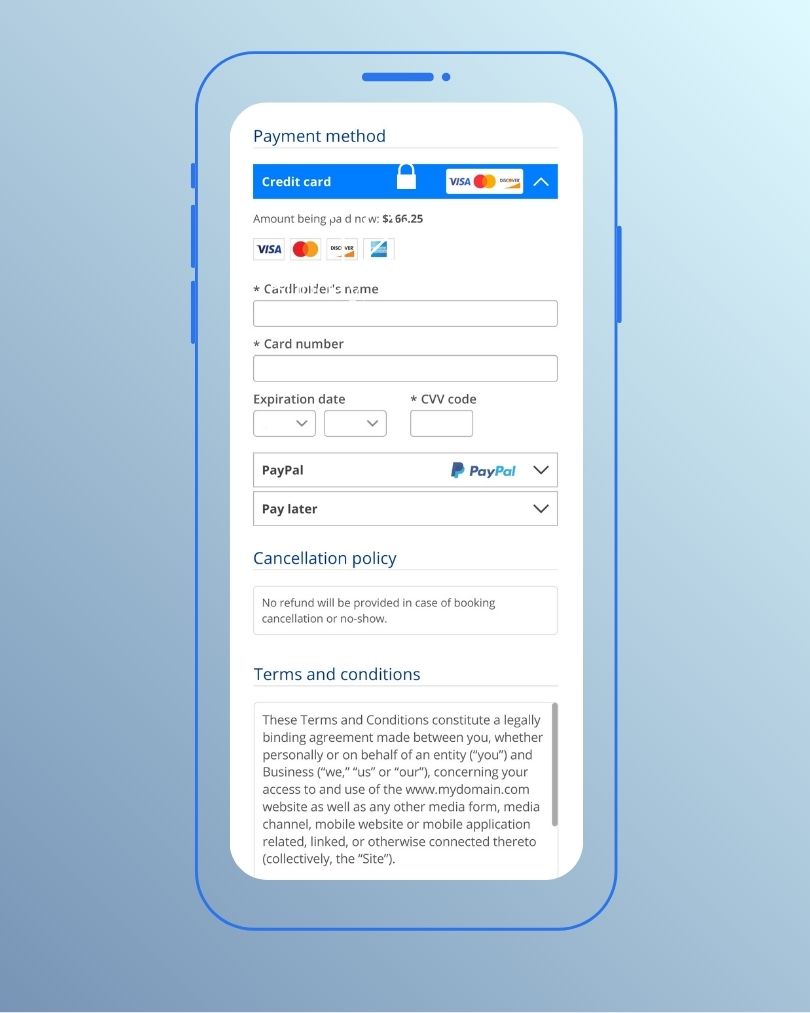
The platform’s user-friendly interface projects credibility while its automatic reminders reduce no-shows, critical for maintaining cash flow as you build your business.
Think about scalability from the start. Ask yourself: “Do you want to go into business for pocket money or as a side-hustle, or if you want a business that you can scale”? A model that simply exchanges time for money limits your growth potential and personal flexibility, which becomes especially important if you need time for your own family responsibilities.
Thoughtful selection and combination of business models create a sustainable structure that serves both your clients’ needs and business goals.
Set Up Tools to Run Your Business Smoothly
A successful parenting class business needs simplified processes that give you more time to teach and coach. The right digital tools can handle routine tasks automatically and create an outstanding experience for you and your clients.
Use Bookeo for scheduling and payments
Scheduling sits at the heart of any service-based business. Bookeo’s class scheduling software for coaches brings several benefits:
- Family account management – Parents can book sessions for multiple family members under one account. This makes life easier for busy parents
- Flexible scheduling options – You can schedule weekly classes or special one-time events that match your business needs

- Customizable booking page – Your brand colors and style create a consistent experience for clients
- Uninterrupted payment processing – Payment gateways let clients pay online directly through your booking system
“As your parenting class business grows, manual scheduling becomes increasingly difficult,” notes a business coach specializing in family education services. Your clients can see open slots, schedule themselves, and pay without needing your help.
Track attendance and client progress
Attendance tracking shows you engagement patterns and helps improve retention. Progress tracking lets clients see their growth.

Automate communication and reminders
Client communication can eat up your time unless you automate it well. The right systems cut down on no-shows and keep your relationships professional.
Reminder automation should be in every parenting coach’s toolkit. Research shows these notifications:
- Cut missed appointments by up to 30%
- Help clients prepare better for sessions
- Make clients happier with your services
Most coaching scheduling platforms let you set up:
Automated email sequences – Confirmations and follow-ups go out automatically. These emails keep clients engaged between sessions.
Text message alerts – SMS works great for quick updates about schedule changes or important reminders. People read text messages more than emails, making them perfect for urgent information.
Post-session feedback – Getting client feedback helps you make your classes better. Parents’ input shapes how you teach and improve your methods.

The right tools create a professional experience so you can focus on what you do best, helping parents. Time spent setting up these systems pays off as your parenting business grows.
Build a Brand Parents Can Trust
Trust is the lifeblood of any successful parenting class business. Parents looking for guidance need confidence in your expertise, ethics, and understanding before they trust you with their most precious relationships.
Create a warm, welcoming brand identity
Your brand identity means more than logos and colors; it shows your values and builds emotional connections with parents. Research shows that 78% of parents prefer organizations that provide clear information about their policies and practices. Your brand identity includes tangible elements like your logo and how people feel after they interact with you.

Key elements for your parenting coach brand include:
- Core values: Define guiding principles that show what matters most in your approach to caring for children and families
- Mission statement: Write a clear statement that shows your purpose and goals
- Brand personality: Choose between a friendly, playful approach or a calm, professional one
Parents look for reliable, trustworthy sources when they feel vulnerable. “A positive first impression is incredibly crucial in the competitive world of parenting classes”. A well-laid-out brand connects your expertise with what parents need.
Bookeo’s class booking software helps your brand identity. You can customize your booking page to match your visual style. This consistency from the moment parents find your services until they book their first consultation builds trust and shows professionalism.
Share your story and values
Authenticity is one of your most powerful tools. Parents value sincerity, honesty, and real connection. Your personal parenting story, including challenges you’ve faced, creates a bond that numbers and data alone cannot match.
“Your ‘why’ will keep you motivated and connected to the impact you’re making,” says one successful parent coach. When you clearly share this personal motivation, you attract parents who face similar challenges and share your values.
Stories help you build deeper connections with your audience. Jessica Bennett, a successful parenting coach, talks about how her struggles as a mother changed her career path: “I really needed clear, actionable guidance on being a Mom. I needed an education on children and parenting”. This openness lets parents see themselves in your story.
Use consistent visuals and messaging
Recognition and trust grow through consistency. Studies show that “brand consistency is pivotal in building and maintaining trust with parents”. This matters everywhere, your website, social media profiles, printed materials, and how you communicate.

Keep your message steady in tone and values on all platforms. Don’t confuse parents with conflicting advice or approaches. Your visual elements, colors, fonts, and logo usage should look the same throughout all materials.
Research shows 65% of parents feel more loyal to providers who communicate well and often. A distinct “brand voice” helps you maintain the same tone whether you write email newsletters, social media posts, or class materials.
Note that building a trusted parenting coach brand takes time. Focus on being real rather than perfect. Parents don’t want flawless experts, they want guides who understand their challenges and offer genuine support along the way.
Promote Your Classes and Grow Your Audience
A successful parenting class business needs promotion through multiple channels. Good marketing helps transform your expertise into a business that parents actively seek.
Use content marketing and SEO
Content marketing helps educate parents and establishes your brand as a trusted resource. Quality content shows you as an authority while it addresses parents’ concerns and highlights your services’ benefits.

Your content strategy should:
- Cover topics that address common parenting challenges
- Give practical tips parents can use right away
- Follow SEO best practices like keyword optimization and fresh content
“Content isn’t merely about providing answers but sparking conversations that lead back to your services,” notes one marketing expert. Your keyword targeting should focus on specific parenting challenges that your classes solve. This helps attract parents who actively search for solutions instead of casual browsers.
Use social media and email campaigns
Facebook and Instagram let you share relatable content, from parenting tips to student testimonials, that appeals to potential clients. Regular interaction with followers builds trust and authority in your field.
Email marketing remains one of the best tools to communicate directly with potential clients. You can nurture leads through customized emails that offer targeted advice or share success stories from past participants. Automated sequences help maintain contact without overwhelming your team.

Effective email campaigns need:
- Real images that grab readers’ attention
- Consistent use of logo and branding elements
- Clear purpose with strong calls to action
Bookeo advantage: Bookeo’s scheduling software works with your marketing by collecting client email addresses during registration. This allows automated follow-ups and promotional messages to previous attendees, which helps turn one-time participants into regular clients.
Offer free sessions or webinars to attract leads
Free intro sessions help potential clients experience your coaching style while they find what they want to achieve. This shows you’re willing to invest time to find good client matches rather than push for quick sign-ups.
Many coaches now offer free “assessment” or “discovery” sessions that last about 30 minutes. These sessions help prospects understand what they want from coaching, learn about your programs, get answers to questions, and sample your coaching approach.
Free webinars or workshops showcase your expertise and draw new clients. This approach speeds up the client’s experience by letting them see your teaching style before they commit to paid services.
Note that building your parent coaching audience needs steady work across multiple channels. The rewards, both financial and in terms of how you affect families, make it worth the effort.
Scale Your Business Without Losing Quality
Your parenting class business is established, and now it’s time to grow. Smart planning helps you expand while delivering the same great results.
Introduce group coaching or online courses
Group coaching creates a bridge between one-on-one coaching and formal classes, letting you work with 4-6 parents at once. Parents can buy four-session packages that cost about $47 per session per person. The group setting creates a unique environment where parents connect with others who face the same challenges.
Online courses give you another way to grow. Love and Logic’s digital programs help parents learn skills they can use right away. Triple P Online allows parents to work through modules at their own speed – some parents finish quickly, while others take several weeks.
Hire assistant coaches or guest experts
Your business growth means you’ll just need extra help to save your energy. Successful coaches build their core team to keep quality high as they reach more clients.

You might want to add:
- Virtual assistants to handle admin work
- Guest experts who know specific topics
- Assistant coaches who work with extra clients
Bookeo’s class scheduling software makes it easy to manage multiple coaches with its team features. The system assigns sessions to different team members and keeps all client records in one place, perfect for growing parenting businesses.
Use feedback to evolve your offerings
Parent feedback helps you grow the right way. Your programs should use quick surveys at least once a year. Their responses help you learn about changing parent needs and show you where to improve.
Ask specifically about:
- Content relevance
- How parents want to learn
- New topics they’d like to cover
The core team should review all responses before making any changes.
Conclusion
Success in the parenting class business comes from passion, expertise, and smart planning. This piece shows you the key steps to create a coaching practice that strikes a chord with parents dealing with challenging family situations.
Your mission and niche are the foundations of everything else. A mix of personal parenting experience and professional training creates the perfect background to help specific parent groups effectively. Professional certification adds credibility, though real-life experience speaks volumes to future clients.
Most parents want interactive, relatable classes instead of dry lectures. They learn better through role-playing exercises and real-life scenarios before trying new skills at home. The right mix of education and emotional support makes your classes different from others.
Your business model affects both your earning potential and work-life balance. Package deals often work better than hourly rates, while online classes help you reach beyond local areas. Different service formats appeal to various client priorities and create multiple revenue streams.
Bookeo’s online booking software becomes a great asset as your business grows. Parents love scheduling their own sessions while you get automated reminders, payment processing, and attendance tracking. These features save hours of administrative work so you can focus on delivering great coaching.
Strong branding builds trust through professional visuals and authentic messaging. Smart marketing through content, a social-first approach, and free intro sessions brings ideal clients without huge advertising costs.
When client numbers grow, group coaching and online courses let you help more families without losing quality or burning out. Adding assistant coaches and specialized experts increases your capacity while keeping your high standards.
Note that a parenting class business offers more than just money; you’ll reshape family relationships and maybe even change children’s lives forever. With these strategies and the right tools behind your vision, your coaching business can thrive while making real change in families’ lives.