
The Easy Guide to Boat Bookings SEO That Grows Your Business
Your boat rental SEO strategy determines whether your business appears when 93% of online experiences start with a search engine. Even the best boats remain invisible without strong visibility. Search engines drive 10x more traffic than social media and make SEO critical for growth.
This piece covers everything you need: boat charter SEO basics, local optimization tactics, keyword research for boat rentals, content strategies, and technical improvements. You’ll learn how to attract ready-to-book customers. You’ll also build visibility that compounds over time.
Why SEO Matters for Boat Rental Businesses
How search engines bring ready-to-book customers
Search engines connect you with customers at the exact moment they decide to book. Someone types “sunset cruises Tampa Bay” or “weekend yacht charters” into their phone. They’re not browsing casually. They have clear intent and money ready to spend.
46% of all searches carry local intent, and this matters. People search for boat rentals near their location. They compare options and check availability. Even more compelling: 78% of local mobile searches result in an in-store visit or purchase within 24 hours. Your boat rental SEO strategy positions you in front of these high-intent customers.

Organic search results carry more weight than paid advertisements. Users trust the top organic results because they believe these businesses earned their position through relevance and quality. Potential customers find your boat rental company ranking organically, and you gain automatic credibility. Studies show most users bypass paid results and click on top organic listings instead.
The numbers back this up. Nearly 70% of all clicks go to the top three search results. Your boat charter SEO must place you on the first page. Otherwise, you’re invisible to 75% of potential customers who never scroll past page one.
Why SEO delivers better ROI than paid ads
The financial case for SEO for boat rentals is straightforward. Real-life data from home service businesses shows SEO delivered a 19.9x return on ad spend compared to just 4.4x for paid ads. Cost per paying customer tells an even clearer story: $126.09 through SEO versus $552.93 through paid advertising.
Every dollar spent on SEO returned $19.90 in revenue on a dollar-for-dollar basis, while paid ads returned only $4.40. The median SEO ROI in industries of all sizes sits at 748%. Businesses generate $7.48 back for every dollar invested. Google Ads, by contrast, delivers around 200% ROI.
These differences compound in the long run. A business spending $60,000 annually on Google Ads walks away with nothing once campaigns stop. The same investment in SEO for boat charter continues generating traffic and leads long after the original spend. Cost per acquisition declines as organic visibility grows.
Paid advertising operates on a rental model. You pay for visibility, and it disappears the moment your budget runs out. Your ads vanish immediately. You’re back where you started with no organic presence to fall back on. SEO, on the other hand, builds owned assets that appreciate in the long run.
Building long-term visibility that compounds
SEO creates a 24/7 sales machine that works whether you’re managing it or not. Your website ranks for relevant keywords, and organic traffic flows without incurring ongoing costs. A single piece of optimized content can bring in customers for months or years.
This compounding effect separates SEO from every other marketing channel. The work you invest today produces results that multiply in the long run. Your domain authority grows, and ranking for additional keywords becomes easier. Your content, backlinks, and optimized pages keep working long after creation.

Paid campaigns cease generating traffic the moment budgets dry up. SEO continues bringing visitors even after you pause active optimization. The foundation you build doesn’t reset once spending changes, though maintaining and strengthening your position requires ongoing effort to stay ahead of competitors.
Boat rental businesses operate in seasonal markets, and this creates stability. Your organic presence attracts customers during peak season and off-season alike. You’re not dependent on costly advertising campaigns that drain budgets without building lasting value.
The marine industry operates in a competitive space where visibility determines success. Strong boat rental SEO turns your website into an asset that generates qualified leads and reduces customer acquisition costs. Customers searching for your services find you organically, trust you more, and convert at higher rates than those reached through paid channels.
Setting Up Your Boat Rental Website for Success
Most boat rental websites fail before any SEO for boat rentals even begins. Your site’s foundation determines whether visitors book or bounce. Mobile devices account for more than half of all website traffic, and the marine industry follows this pattern. So your website needs to function flawlessly on every screen size.
Making your site mobile-friendly
Mobile-first development stands as the vital factor for rental businesses. This approach designs your site for smartphones first, then adds elements as screens grow larger. The logic is simple: if your site works on a phone perfectly, it works everywhere.
Responsive web design creates an optimal viewing and interaction experience on devices of all types. Google’s algorithm looks at your mobile version when deciding search rankings, not your desktop site. Your boat charter SEO efforts collapse if mobile users can’t use your site.
Your mobile design needs these specific elements to work correctly. Large, tap-friendly buttons prevent frustrated clicks on tiny links. Typography must remain readable without zooming. Images need adaptive sizing that loads quickly on cellular networks. Touch-optimized interfaces respond to swipes and taps, not mouse hovers.
Test your site on actual devices, not just browser resize tools. An iPhone displays differently from an Android phone. Tablets occupy their own space between phones and desktops. Each device should deliver the same quality experience that your desktop users get.
Navigation menus deserve attention on mobile screens, particularly. Place your menu at the top of every page with clear categories. Add a search bar to give visitors multiple ways to find information. Most importantly, verify that category names remain easy to read and distinguish on small screens.
Improving page load speed
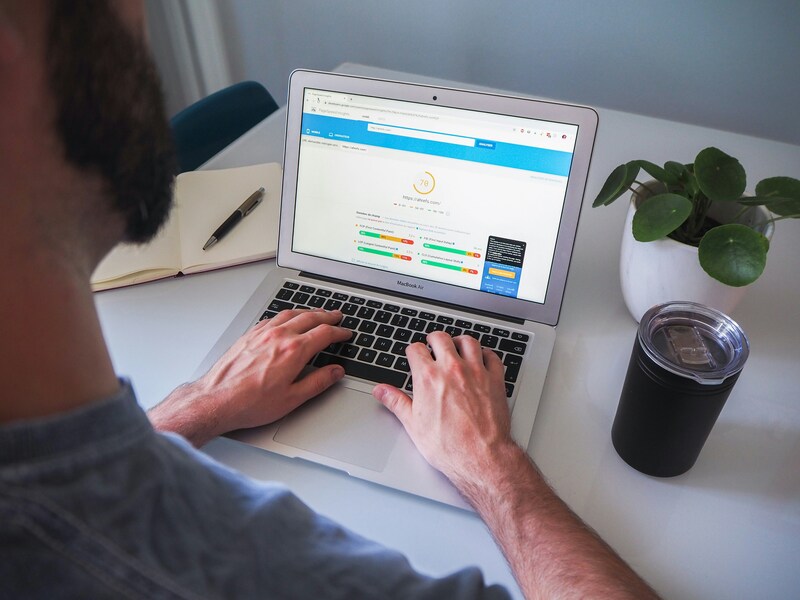
Speed kills conversions faster than any other technical issue. Research shows 53% of mobile visitors abandon sites that take longer than 3 seconds to load. That statistic represents half your potential customers walking away before seeing a single boat.
Page speed should hit 2 seconds or under. Sites ranking on Google’s first page average 1.65 seconds. Every second costs you revenue.
Image compression delivers the fastest improvement. High-quality boat photos often measure in megabytes when they should measure in kilobytes. Compress every image before uploading it to your site. Modern formats like WebP reduce file sizes without sacrificing visual quality.
Your website theme and code structure affect loading times directly. Choose lightweight themes that avoid excessive code. Remove unnecessary plugins and scripts that slow rendering. Each element your site loads competes for bandwidth, delaying the content visitors want to see.
Content Delivery Networks (CDNs) improve performance by distributing your site across global servers. When someone in Florida searches for boat rentals, a CDN serves your content from a nearby server instead of your main host in California. This geographic proximity cuts loading times substantially.
Browser caching saves elements from your site on visitors’ devices. When they return or navigate to another page, their browser doesn’t reload everything from scratch. Enable caching through your hosting settings or plugins.
To name just one example, if your average page speed exceeds 2.5 seconds after these optimizations, your web host may be the bottleneck. Upgrading hosting plans often solves persistent speed issues.
Creating clear navigation and booking paths
Every step between interest and confirmation loses potential customers. Your booking process should feel effortless: one clear button, a short form, smooth checkout.
Place “Book Now” buttons multiple times on every page. Above the fold. After boat descriptions. Near pricing information. Visitors shouldn’t hunt for ways to give you money.
Keep your call-to-action consistent on all pages. “Book Your Boat” or “Reserve Now” works better than mixing different phrases. Consistency builds recognition and reduces decision fatigue.
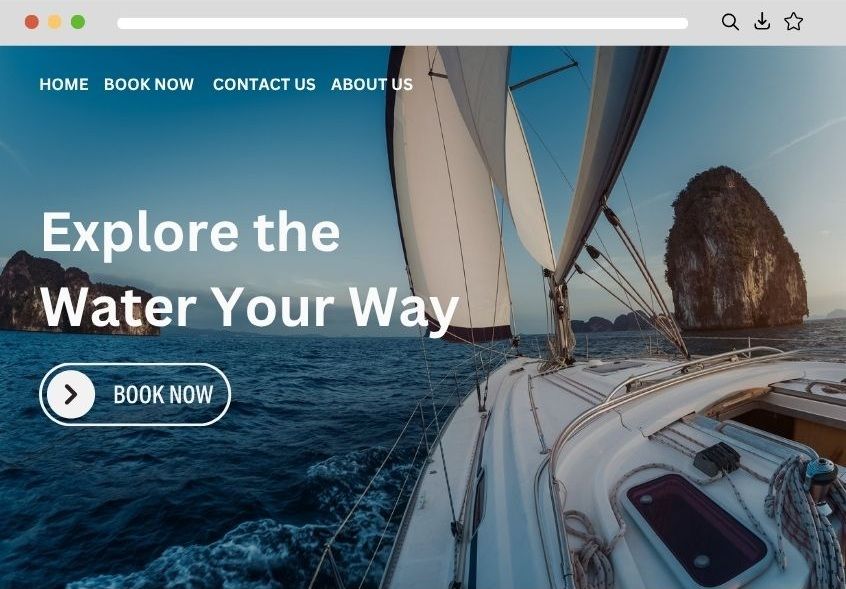
Use contrasting colors for your booking buttons so they stand out visually. The human eye gravitates toward contrast. A bright button on a neutral background demands attention without seeming pushy.
Minimize form fields to what’s necessary. Long forms on mobile devices cause drop-offs. Ask for essential booking information only. You can collect details after securing the reservation.
Remove distractions on booking pages. No newsletter signup forms. No blog post links. No competing calls-to-action. Everything on that page should guide visitors toward completing their reservation.
Show real-time availability, so visitors know immediately whether their preferred date works. Your boat rental SEO brings them to your site; your booking system closes the sale.
Local SEO for Boat Rentals
Local searches drive the majority of boat rental bookings. Google displays businesses in the Map Pack above organic results when travelers search for experiences near their location. Your position in those top three local listings determines whether you capture ready-to-book customers or watch them go to competitors.
Optimizing your Google Business Profile
Your Google Business Profile serves as your business’s digital storefront. Claim your listing right away if you haven’t already. Visit Google Business Profile, search for your business name, and follow the verification process. Google sends a postcard to your address with a verification code.
Complete every field in your profile. Businesses with accurate information show up more often in local search results. Add your exact address, phone number, website, and operating hours. Choose “Boat Rental Service” or “Fishing Charters” as your primary category, then add up to nine secondary categories that match your offerings.
Your business description gets 750 characters. Use them wisely. Start with what you do and include where you operate. Incorporate location-based keywords naturally. “We offer top-rated boat rentals and marina services in Key West” works well. Write for humans first, then optimize for search engines.
Photos make a massive difference. Businesses with photos receive 42% more requests for directions and 35% more clicks to their websites. Upload high-quality images of your boats, dock facilities, staff, and happy customers. Refresh these monthly to signal that your business stays active.
Post updates regularly. Share promotions, seasonal services, or new boat additions. Posts with images get higher engagement. This activity tells Google your business operates actively, which improves rankings.
Getting and managing customer reviews
Reviews function as the single most powerful ranking factor for local boat charter SEO. Google prioritizes businesses with frequent, high-quality reviews when determining Map Pack placement. A charter with 50+ positive reviews will outperform a competitor with ten reviews, even if the competitor holds perfect scores.
The timing of your ask matters a lot. Captain Bryan gets reviews on 90% of his trips and capitalizes on peak moments. He responds when customers say “This is the biggest fish I’ve ever caught”: “When you’re asked for a review later, please use that exact wording”. The enthusiasm is fresh, and the commitment is made.

Ask right after exceptional experiences. Send a follow-up message within hours, not days. Include a direct link to your Google review page. Fewer clicks mean higher completion rates.
Google isn’t your only option. Different customers prefer various platforms. Get listed on TripAdvisor, Yelp, and industry-specific review sites. TripAdvisor ranks high in tourist-driven markets for searches like “best fishing charter in Miami”.
Respond to every review and show professionalism. Thank positive reviewers within 24 hours. Acknowledge the issue for negative reviews, apologize, and offer solutions. Future customers read your responses to gauge how you handle problems. Your reply matters more than the complaint itself.
Using location-based keywords effectively
Location-based searches capture customers ready to book. Include your city, state, or region in your content naturally. Keywords like “kayak rentals near Seattle” or “boat repair Charleston SC” match what customers actually type.
Work these phrases into your homepage, service pages, and blog posts. Create dedicated pages for each area if you operate in multiple locations. Talk about what makes each location special. Include nearby landmarks and local terminology.
Adding your business to marine directories
Marine directories build credibility and create backlinks that strengthen your boat rental SEO. List your business on platforms like BoatTrader and marine-specific directories. Regional tourism websites and chamber of commerce sites count as valuable local citations.
Focus on the directories your customers actually use. Tourism directories, industry-specific platforms and local business listings all contribute to your visibility. Each listing reinforces your business information across the web, which Google rewards with better rankings.
Keyword Research for Boat Charter SEO
Guessing what customers type into search bars guarantees wasted effort. Tools like Google Keyword Planner and SEMrush reveal actual search terms people use, along with monthly search volumes that help you prioritize targets. Skip the assumptions and start with data.
Finding keywords your customers actually use
Broad keywords look tempting at first glance. The phrase “pontoon boats” generates 60,500 searches monthly. Most marketers see that volume and target it right away. This approach fails because ranking for broad terms requires competing against brands with massive budgets.
You rank on your own brand name naturally anyway. If you operate “Captain Mike’s Charters,” you’ll rank for that phrase without optimization. The struggle comes from non-branded terms where customers don’t know your business exists yet.
Long-tail keywords solve this problem. Target “fishing pontoon boats for sale near me” rather than “pontoon boats”. This single phrase covers four different keyword variations. Someone searching this specific phrase knows exactly what they want and sits closer to booking.
Finding these phrases is straightforward with tools. Google Keyword Planner, SEMrush, KWFinder, and Moz’s Keyword Explorer all show you which keywords generate actual searches. These platforms display monthly search volume and help you prioritize what ranks as worth your time.
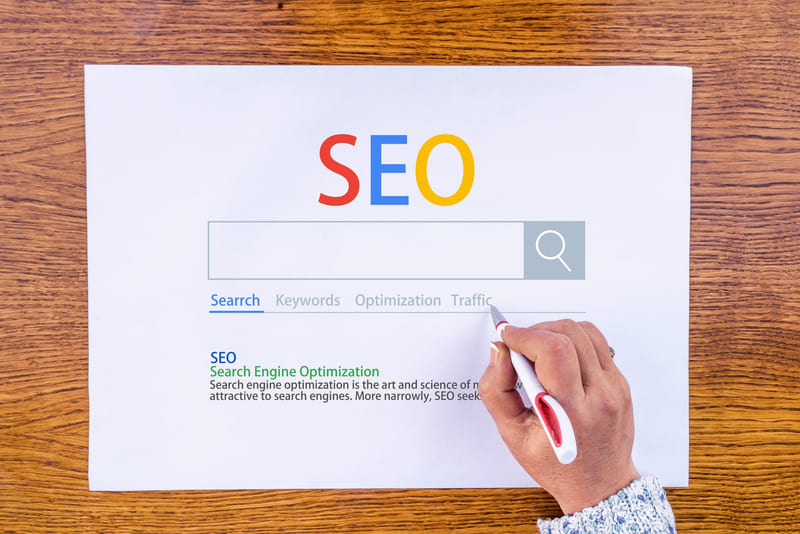
You can filter results by your specific industry and geographic area. WordStream’s keyword tool lets you specify your country from 23 options, including the United States, Canada, and Australia. Industry filters make your data most relevant to boat rentals rather than generic results.
Competitor analysis reveals gaps in your market. See what keywords similar businesses rank for, then identify opportunities they’re missing. You can use the same tools to analyze competitor websites and find search terms they haven’t optimized.
Understanding search intent for boat rentals
Search intent separates browsers from buyers. Someone typing “what is a pontoon boat” wants information. They’re researching, not ready to book. Conversely, “sunset cruises Tampa Bay this weekend” signals immediate booking intent.
Your content should match the user intent behind each keyword. Blog posts work well for informational searches. Service pages with booking buttons belong with transactional searches. To name just one example, “best trolling techniques for bass fishing” attracts readers to educational content. “Boat rentals near me” or “boat charters” demand booking-focused pages.
Location-dependent searches carry the highest conversion intent. Phrases like “boat rentals in Miami,” “pontoon boat rental near Clearwater Beach,” or “fishing charters in Tampa Bay” indicate ready-to-book customers. These searchers have already decided on the activity and location. They’re comparing providers now.
Activity-focused keywords capture specific customer desires. “Sunset cruises,” “wakeboarding boat rental,” or “family-friendly boat tours” target audiences with clear needs. Features work similarly when highlighted. “Luxury yacht rentals,” “boats with captains included,” or “affordable half-day charters” attract customers valuing those specific offerings.
Seasonal and event-based keywords capitalize on predictable demand spikes. “Spring break boat rentals” or “Fourth of July boat charters” bring customers during high-revenue periods. Search volume data shows clear seasonality patterns, with boat rental searches declining from October through March.
Targeting long-tail keywords that convert
Long-tail keywords deliver higher conversion rates despite lower search volumes. The phrase “best marina for boat storage in Fort Lauderdale” attracts fewer searches than “marina”. But everyone typing that long phrase needs exactly what you offer.
Specific phrases reduce competition significantly. “Best boat winterization Fort Lauderdale” targets local customers with precise intent. You’re not fighting national chains for this ranking.
Pages should be built around specific long-tail variations. If you offer fishing pontoons, create content targeting “fishing pontoon boats for sale near me”. One optimized page title captures multiple keyword variations at once.
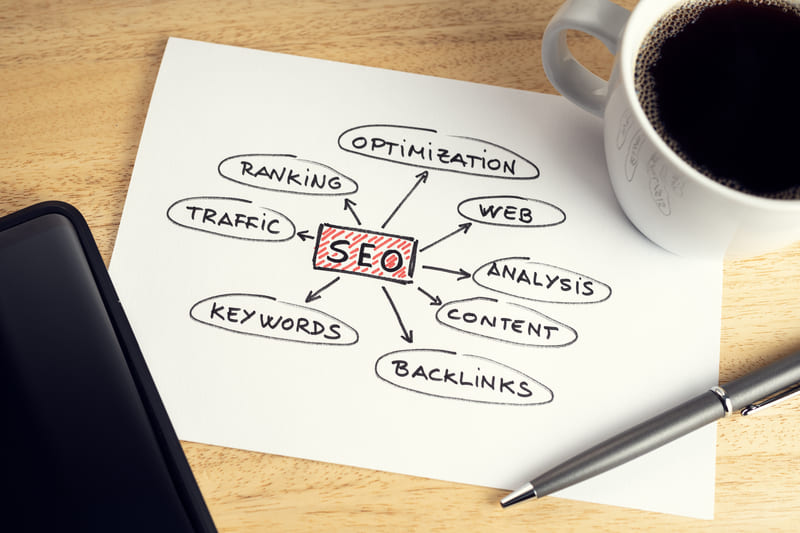
Keywords should be integrated naturally into your content and blog posts so they sound conversational. Keyword stuffing destroys readability and triggers search engine penalties. Write for humans first, then verify you’ve included your target phrases.
Every page on your site should target its own set of keywords. Your homepage, service pages, and blog posts each optimize for different terms. This strategy expands your total keyword coverage without internal competition.
Local relevance matters. Include your city and target specific areas like “jet ski rentals Hollywood Beach”. You should revisit your keyword strategy regularly, analyze performance, and adjust based on what drives bookings.
Creating Content That Attracts Customers
Content feeds your boat rental SEO efforts with material that ranks and converts. You miss the chance to answer customer questions and demonstrate expertise that builds trust if you don’t publish valuable information on a regular basis.
Writing helpful guides and blog posts
Blog posts position your business as the local authority on boating. Write about topics your customers care about: boat maintenance tips, destination guides for your area, boating safety, fishing techniques, and seasonal preparation advice. These articles attract visitors searching for information who later become renters.
Your writing should reflect your brand’s personality and the experience you deliver. A luxury yacht charter writes differently from a budget-friendly pontoon rental service. Match your tone to what your customers expect.

Quality matters more than quantity. One well-researched guide generates more traffic than five shallow posts. Cover topics in depth. Answer follow-up questions within the same article. Include practical advice readers can apply right away.
Destination guides work well for boat charter SEO. Write about local waterways, hidden coves, best fishing spots, and scenic routes. These articles incorporate location-based keywords naturally while providing genuine value to readers planning their trips.
Making comparison pages for different boat types
Visitors researching boat options appreciate direct comparisons. Create pages comparing pontoon boats versus deck boats, catamarans versus monohulls, and sailing yachts versus motor yachts. These comparisons help undecided customers choose the right vessel.
Structure matters here. Explain what each boat type offers, who it suits best, and specific use cases. A pontoon boat works well for families on calm lakes, whereas ocean fishing demands different hull designs. Address capacity, speed, stability, and comfort factors.
To name just one example, compare wake boats designed for water sports against standard runabouts. Explain how wake boats fill their hulls with water to create larger wakes for surfing. Specific details like this demonstrate expertise and help customers make informed decisions.
Adding FAQ sections that answer common questions
FAQ sections capture long-tail search queries and reduce repetitive customer service inquiries. Common questions include pricing structure, cancelation policies, what’s included in rentals, certification requirements, and whether captains come with the boat.
Answer questions in depth but concisely. Be specific about policies. State that clearly if you require a boating license for bareboat charters. Mention it if you include fuel in your pricing.
Creating video tours of your boats
Video marketing produces measurable results. Research shows 84% of people bought a product after watching a brand’s video. Businesses using video grow revenue 49% faster than those without video content.
Create walkthroughs showing boat interiors, features, and amenities. Film on sunny days with calm water. Show actual movement, not just docked vessels. Potential renters want to visualize their experience.
Visual content drives engagement because images appear in 63% of social media posts and increase content views by 94%. Videos accomplish both goals at once while building trust through transparency.
Upload videos to YouTube to capture searches happening on that platform. Optimize titles and descriptions with relevant keywords. A video titled “2026 Sea Ray 230 SPX Boat Tour – Miami Boat Rentals” targets specific searches while showcasing your inventory.
Technical SEO Basics for Boat Rental Websites
Technical elements working behind the scenes determine whether search engines understand and trust your boat rental website. Schema markup, clean site architecture, and properly named images are the foundations of effective boat rental SEO.
Using schema markup for rental listings
Schema markup tells search engines exactly what your content represents. This structured data helps Google display rich results showing property details, pricing, reviews, and availability right in search listings.
VacationRental schema works specifically for boat charter SEO. You can implement JSON-LD format on your listing pages and let Google understand your boats as rentable properties. Required properties include unique identifiers for each boat, a minimum of eight high-quality images, precise GPS coordinates, property names, and descriptions.
The schema takes minutes to add, but improves visibility. Google’s Structured Data Markup Helper simplifies the process. WordPress plugins handle schema implementation automatically as an alternative. Test your markup using Google’s Rich Results Test to verify correct implementation.
Real estate and rental businesses using schema see boosted search displays that stand out from standard listings. Well-laid-out data helps voice assistants pull accurate information when users ask about boat availability or pricing.
Fixing broken links and improving site structure
Broken links destroy user trust and harm search rankings. Every dead link signals to Google that your site lacks maintenance. Visitors who encounter 404 errors often leave right away, and damage conversion rates before prospects even see your fleet.
Typos, deleted pages, or restructured URLs typically cause internal broken links. Use Google Search Console’s Crawl Errors report to identify issues. Tools like Ahrefs Broken Link Checker and W3C Link Checker scan your site automatically.
You can fix broken links through these methods: correct typos right away, recreate valuable deleted pages, or implement 301 redirects to relevant alternatives. Your homepage should be the last resort for redirects.

Site structure affects crawlability. Search engines should access any page within three clicks from your homepage. Organize your boat rental site with clear categories. Create and submit XML sitemaps through Google Search Console so crawlers find all your pages efficiently.
Optimizing images with descriptive file names
Google reads image filenames to understand content. Default camera names like “IMG_7291.jpg” provide zero SEO value. Descriptive filenames help search engines index your boat photos correctly and potentially capture traffic from Google Images searches.
Rename files before uploading. Change “DSC1234.jpg” to “sunset-cruise-yacht-tampa-bay.jpg”. Use hyphens between words, not underscores or spaces. Keep filenames lowercase to avoid server conflicts. Limit names to three to five words that describe what appears in the photo accurately.
Rename stock photos from providers right away, for example. “shutterstock_183749271.jpg” becomes “fishing-charter-boat-interior.jpg” for SEO for boat rentals.
Front-load important descriptive words. “pontoon-boat-rental-clearwater.jpg” works better than “2024-new-clearwater-pontoon-boat-rental.jpg” because primary keywords appear first.
Avoid keyword stuffing across multiple images. Vary descriptions naturally rather than numbering identical phrases.
Building Trust Through Backlinks and Partnerships
Backlinks signal authority to search engines. Reputable websites that link to yours send a vote of confidence to Google. This improves your boat charter SEO rankings and domain trust.
Getting listed on travel and marine websites
MarineAndBoat.The directory connects businesses in the marine and boating industries with customers searching for recreational activities and services. Marine Yellow Pages increases visibility and connects you with industry professionals who actively seek marine-related services. These directories provide targeted exposure to audiences already interested in boating.
List your business on major travel platforms where customers book experiences. Viator distributes your tours across TripAdvisor, Booking.com, Expedia, and thousands of affiliate sites. This network delivers access to hundreds of millions of monthly visitors searching for activities.
Creating partnerships with local tourism businesses
Destination marketing organizations function as collaboration hubs. Partner with local hotels and restaurants for mutual promotion. A simple cross-referral arrangement costs nothing but expands reach a lot.

Create seasonal packages with complementary businesses. Package boat tours with nearby restaurants for “sail and dine” experiences. These collaborations strengthen word-of-mouth and turn casual visitors into supporters.
Earning mentions from bloggers and influencers
Blogger outreach requires providing value first. Feature bloggers in your content, share relevant research, or offer exclusive experiences. Partnerships work when both parties benefit.
Influencer marketing connects you with existing audiences in an authentic way. Set clear partnership goals and provide creative freedom. Build long-term relationships rather than one-off posts for maximum credibility.
Using Online Booking Software to Boost Conversions
How booking engines improve customer experience
Booking software transforms browsers into confirmed customers. Data shows 67% of customers want self-service options, and booking engines deliver that. Travelers book without phone calls or waiting for responses during business hours.
Complicated processes kill conversions. Research reveals 87% of travelers abandon bookings if the process feels too complicated. Up-to-the-minute availability eliminates uncertainty by showing open slots right away. Customers see what’s available and pick their preferred time. They confirm within minutes.
Automated reminders reduce no-shows. The system sends confirmations and pre-departure notifications without manual work. Customers receive their booking details, waivers, and preparation instructions on autopilot.
Why Bookeo is the best choice for boat rentals
Bookeo’s online booking software handles boat charters, sailing tours, and cruises through one platform. You can embed the booking widget into your website so customers never leave your pages.
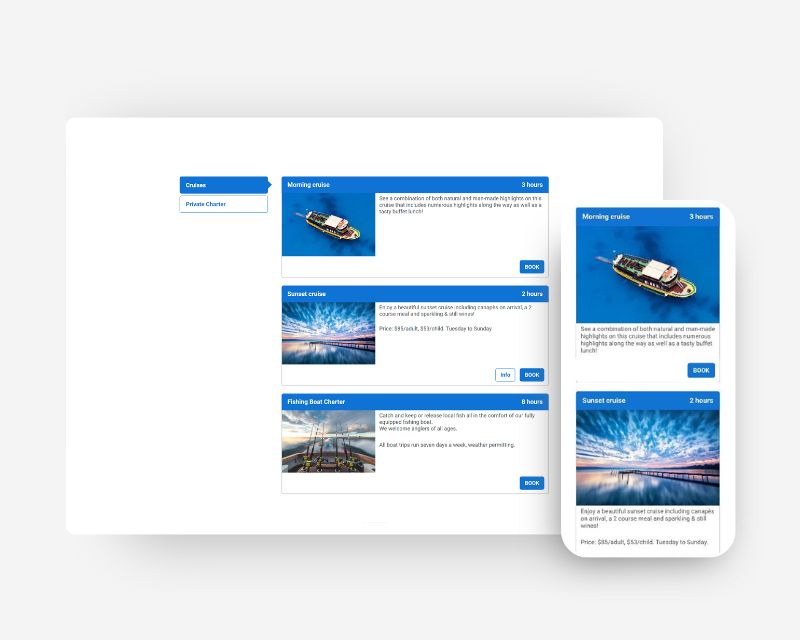
The system updates availability on its own, preventing double bookings across your fleet. Payment processing integrates with Stripe, Square, and PayPal. You collect deposits or full payment upfront, improving cash flow.
Bookeo charges only a low monthly fee with no commissions on bookings. Customers manage their own reservations online 24/7.
Connecting your booking system with your SEO strategy
Your boat rental SEO brings traffic to your site. Your booking system converts that traffic into revenue. Mobile-responsive booking pages work easily on smartphones, where most searches happen. Fast, simple checkout keeps the momentum from search to confirmation.
Integrated booking strengthens your website rather than sending customers to third-party platforms where you lose control.
Conclusion
Your boat rental SEO strategy brings qualified customers to your website. Therefore, your booking system determines whether they reserve. The fundamentals come first: mobile optimization and fast loading speeds. Local search visibility through your Google Business Profile matters too. Build content around location-based keywords that match what customers search for. Technical elements like schema markup help search engines understand your offerings.
Connect your SEO efforts with Bookeo’s boat tour booking platform. Traffic without conversions wastes your investment. Bookeo handles live availability, automated confirmations, and mobile-friendly checkout. This combination turns organic visibility into confirmed reservations and predictable revenue growth for your business.