
Dance School Lead Generation: The Complete Guide to Filling Your Classes
Dance school lead generation reaches its peak during fall registration in August and September. This window represents the biggest enrollment opportunity of the year. The stakes are high: a recreational dancer who starts at six may re-enroll for a decade and pay tuition plus registration and costume fees every year. Attracting and converting leads then requires a mix of digital and offline marketing strategies. This piece walks you through proven dance school lead generation strategies, from dance class promotion ideas to how to advertise dance classes. These strategies will help you fill your studio and build lasting student relationships.
Understanding Your Dance School Lead Generation Funnel
Your dance school receives a phone call from a parent asking about ballet classes. Another parent fills out a contact form on your website. Someone walks in during drop-off to ask about hip-hop for their teenager. All three represent potential students, but not all inquiries convert at the same rate.
What counts as a lead
A lead is any person who expresses interest in your classes through a specific action. This includes parents who call, email, or text asking about schedules and pricing. Form submissions from your website count as leads. So do trial class registrations, open house attendees, and people who stop by your studio to ask questions.
Lead quality varies substantially. A parent who requests a trial class demonstrates higher intent than someone who asks for your brochure at a community fair. A referral from a current family carries more weight than a cold inquiry. Lead management software helps you categorize these inquiries and prioritize your follow-up efforts.

Most studios track lead sources to identify which marketing channels generate the best results. When you find that targeted social media ads bring in more conversions than community event tables, you can allocate your marketing budget more effectively. Tracking sources also reveals demographic patterns, such as parents of girls aged 9-15 showing higher enrollment rates. This allows you to focus your dance school lead generation strategies on the right audiences.
Tracking leads from interest to enrollment
Speed determines conversion success. Contacting a new lead within five minutes increases the chances of converting them by over 100 times. The odds drop dramatically after even 30 minutes. Studios that answer calls promptly see an average 34% conversion rate from inquiry to enrollment, whereas this drops to just 12% when calls are returned later.
A parent fills out a form on your website while thinking about dance classes right now. Life moves fast. They’ve already called three other studios or lost interest entirely if you wait until tomorrow to respond.
The enrollment journey moves through distinct stages. An inquiry becomes a qualified lead once you’ve confirmed their needs and class priorities. They progress to trial class booking, then trial attendance, and enrollment. Each stage requires different communication. An inquiry needs quick acknowledgment and class information. A booked trial needs reminders and directions. Post-trial follow-up should address questions and help with registration.
Automated systems send pre-written communications at each touchpoint. When a parent submits a website form, they receive an instant text message thanking them for their interest. An email arrives five minutes later with studio details and trial class information. Follow-up messages continue over several days with helpful information and gentle prompts until they reply, book, or opt out if they don’t respond.
Setting up your lead measurement system
Proper measurement requires tracking more than just names and phone numbers. Store contact information alongside the lead source, inquiry date, class interest, student age, and current stage in your pipeline. This data shows you which leads need attention and which have gone cold.
Conversion metrics matter most. Calculate your trial conversion rate by dividing the number of trial students who enrolled in regular classes by the total number of trial attendees. Your trial conversion rate is 60% if 50 students attend trials and 30 enroll afterward. This metric helps you review how compelling your trial experience is and how well you convert interest into long-term commitment.
Lead management systems organize inquiries in one central location. This eliminates spreadsheets and sticky notes. Import existing leads for seamless tracking. Set up automated emails and texts to keep interest warm without manual effort. Customize lead stages to match your specific enrollment process. Monitor leads by stage so you know exactly where to focus your efforts and spot aging leads quickly to re-engage before interest drops.
Clear visuals help you see total leads and track progress through your pipeline. Analytics show email send and open rates. This lets you follow each message’s progress. This visibility prevents leads from slipping through the cracks during your busiest dance class promotion periods.
Building Your Foundation Before You Market
Students with many dance studio options in their neighborhoods hold considerable power in the enrollment decision. Studios must maintain competitive positioning to attract families. Yet before you launch any dance school lead generation campaign, you need solid operational groundwork. Marketing without preparation wastes money and frustrates families who encounter confusing processes or full classes.
Know your target student demographics
Preschool-aged children between 2 and 5 years old represent a goldmine demographic for dance studios. Parents in this age group demonstrate high motivation to enroll their children and maintain long-term commitment. A preschooler who begins dancing at age 3 could continue for a decade or longer. This generates a lifetime value exceeding $40,000 per student when you factor in tuition, registration fees, costumes, and recital expenses.
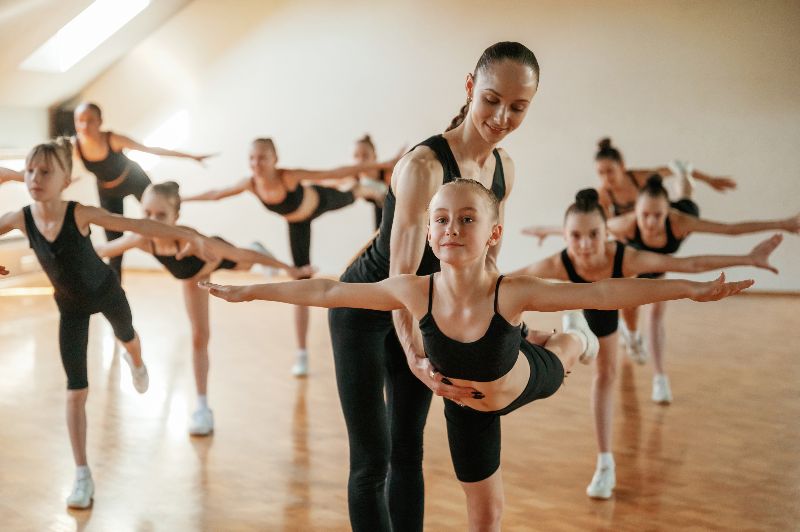
Beginner dancers in any age group form the largest share of the market. Dance class promotion ideas that emphasize welcoming, beginner-friendly environments appeal more than content showcasing only elite competition teams. One small studio in Connecticut recognized its strength in teaching young beginners and embraced that identity. The studio branded itself as the go-to location for little ones. It expanded its space by 5,000 square feet and grew to over 450 students in a town of just 17,000 residents.
Detailed customer personas help you understand who walks through your doors. Survey and interview existing students and their parents to find common themes regarding age, interests, location, and reasons for selecting your studio. One persona might be a busy parent seeking convenient class times near home. Another could be a teenager passionate about performance chances. These profiles guide how you advertise dance classes and which messages will connect with each segment.
Identify your class capacity and availability
Class size affects both profitability and student satisfaction. Every instructional business reaches a breakpoint where additional students diminish quality and increase expenses rather than boost revenue. Calculate how many students you need in each class to cover costs. Then determine the maximum number that maintains instruction quality.
Limited enrollment increases profitability in most cases. Smaller classes deliver higher quality instruction and greater individual attention. This produces satisfied students who return and refer friends. Easier class management means lower expenses and fewer complaints. Setting enrollment limits also creates urgency. Parents who know spaces fill quickly register faster, lest they miss the chance.
Track units alongside student count for accurate enrollment assessment. Units refer to total class spaces filled each week. Imagine 200 students with 500 available class spaces across your schedule. If each student takes one class, you have 200 units. If those same 200 students average two classes weekly, you jump to 400 units. Same student count, but revenue differs dramatically.
Monitor your enrollment structure as well. A triangular shape with many preschoolers at the base that tapers as students age represents healthy, sustainable growth. Rectangular enrollment where older students equal younger students signals a need to rebuild your preschool program. Otherwise, you risk an inverted structure with more competitive dancers than recreational beginners, which creates instability.
Create your enrollment calendar
Map out your registration windows for the entire year. Fall registration peaks in August and September. This captures families as they plan school-year activities. Summer programs open for registration in March and April. Mid-year enrollment chances depend on your local market and available class spots. Establish clear deadlines for each session and communicate them consistently in all channels.

Set up your intake process
Parents expect convenience when they register their children for activities. They want to complete enrollment on their phone within minutes, receive instant confirmation, and access timely reminders without chasing information. A complicated signup process causes lost registrations before classes even begin.
Online registration forms collect student information, class preferences, health notes, and parent contacts in one streamlined submission. Digital forms eliminate manual data entry. This saves time and reduces errors that occur when you transcribe phone calls or emails. Conditional logic shows age-appropriate questions based on the student’s birth date. Parent fields appear automatically for younger dancers.
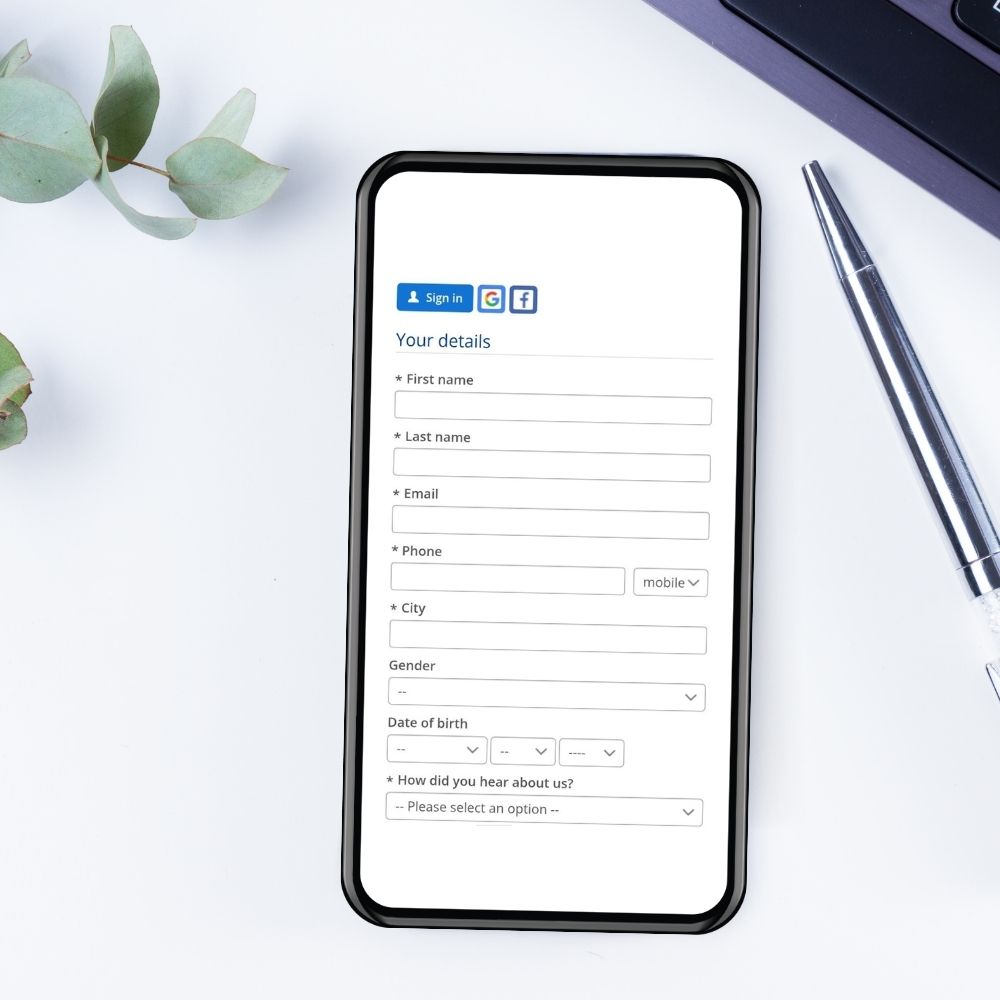
Your registration form should gather dancer details (full name, birth date, prior experience), parent information for minors, emergency contacts, and medical conditions instructors need to know. Add class selections and digital signatures for waivers and media consent. Allow parents to select several classes for one child or register multiple children in a single submission with one combined invoice rather than separate transactions per class.
Map out the complete parents’ path from initial contact through enrollment and beyond. Send automated confirmation emails right after form submission. Follow up with a welcome guide that has what to wear, parking information, check-in procedures, and teacher introductions. This preparation builds confidence and excitement before the first class. After trial classes, send thank-you messages within 24 hours with registration links. Then follow up 3 to 5 days later if they haven’t enrolled.
Referral Programs That Actually Work
Your current students represent your most powerful marketing channel. Parents who already trust you will recommend your studio when the moment feels right. A structured referral program transforms those casual conversations into a consistent stream of new enrollments at a fraction of traditional advertising costs.
Ask at the right moment
Whether a parent acts on their positive feelings about your studio depends on timing. Ask too early and they haven’t formed a strong enough opinion yet. Ask too late, and the excitement fades into routine. A parent who enrolled just three weeks ago needs more time to experience your instruction quality and community.
The best trigger moments occur after the first recital, when families feel emotionally peaked and proud of their dancer’s performance. The three-month mark hits the sweet spot where parents love your studio but still actively talk about it with friends. Fall enrollment season creates natural opportunities for “bring a friend” promotions and aligns with when families actively seek activities. On top of that, capitalize on positive interactions such as breakthrough moments, standout classes, or great parent-teacher conversations.
Build these moments into your communication calendar so requests go out at exactly the right time, not randomly or never.
Create a simple referral process
Friction kills referrals. Parents might intend to recommend your studio, but complicated processes stop them cold. Most won’t bother if someone must fill out forms, generate promo codes, and remember special instructions at enrollment.
Make it simple: provide a referral card, physical or digital, with the referring family’s name that the new family brings or mentions at enrollment. That’s it. No special logins, no portals, no paperwork. Your studio management system tracks the referral source directly in the lead’s profile and makes it easy to confirm referrals and reward families promptly.
Studio management software with CRM capabilities logs referrals automatically and surfaces follow-up reminders at the right time. This eliminates manual tracking through spreadsheets and sticky notes while providing clear data on which families send you the most business.
Incentivize appropriately
Generic discounts underperform. “Get $10 off your next month” sounds insignificant against a $150 tuition bill and doesn’t feel special. The most effective referral incentives feel relevant and generous, something families actually care about.
Strong options include one month of free tuition credit applied when the referred student completes 60 days. Free workshops or masterclasses for the referring family add value. Studio merchandise credit toward bags, water bottles, or class packs works well. Priority enrollment for the next season or high-demand classes creates exclusivity. Dance supply store gift cards perform even better if you partner with a local shop.

Offer something to both sides: the referrer and the new student. The newcomer’s first class free lowers the barrier to showing up. This double-sided incentive makes the offer feel generous and removes awkwardness the referrer might feel about “selling” their friend on your studio. You equip current families to share something of value with their friends when you reward both parties, and the recommendation feels more like a gift than a sales pitch.
Track and thank referrers
The fastest way to kill a referral program is forgetting to deliver the reward. A parent who referred someone in October and still hasn’t seen their tuition credit applied by December will never refer again and will share that experience with other families.
An automated system handles referral tracking and reward distribution without human error. Assign each family a unique referral code or link they can share with friends. The system automatically credits the referral to the correct family when a new student registers using that link. The system applies the tuition credit automatically or notifies your admin team to issue the reward once the referred student meets criteria such as completing their first paid month.
Clear tracking and reporting show at a glance who your top referrers are, how many leads your referral program generates, and your overall return on investment. This visibility saves countless hours of administrative work and makes the program smooth for your families. A personal note of thanks or small studio-branded gift for someone who regularly recommends you makes them feel valued, even outside formal programs.
Local Search and Online Presence
Parents searching for dance classes in your area make decisions within minutes of finding you online. Local searches account for 60% of conversions. Your online presence becomes a critical component of dance school lead generation. A parent types “ballet classes near me” into Google at 9 PM on a Tuesday. Your studio appears with complete information, recent photos, and glowing reviews. You’ve already won half the battle.

Optimize your Google Business Profile
Your Google Business Profile acts as a second storefront that operates around the clock. Take control of how your profile appears on Google Search and Maps. Personalize it with high-quality photos, accurate business hours, and up-to-date contact information. Parents can make reservations, see class offerings, and book services from your profile without visiting your website.
Respond to quote requests immediately and become the easiest choice while parents still compare studios. You position your studio ahead of competitors who make families work harder to get information by doing this.
Share posts about special offers, events, and updates to keep your community informed. Showcase popular classes with descriptions that help parents understand what you offer before they contact you. Keep your profile updated with fresh photos from recitals, classes, and performances. These visual elements build trust faster than text descriptions alone.
Turn five-star feedback into credibility. Highlight ratings. Respond to customer reviews and show you value parent input and maintain active communication. New families see that you care about their experience through this responsiveness.
Build a conversion-focused website
Companies that prioritize conversion optimization see average conversion rate increases of 30-50%. Your website must deliver what searchers expect when they click through from Google. Match headlines to search intent. Address parent concerns immediately and provide clear next steps.
Add trust signals throughout your site. Display reviews and testimonials near calls-to-action. Show review ratings and counts. Highlight client success stories to build credibility. Display real student numbers and statistics to demonstrate your track record. These elements work together and convert visitors into leads.

Create a dedicated reviews page on your website. Showcase feedback from satisfied parents and students. Use the term “reviews” rather than “testimonials” since it aligns with how people consume feedback online. Include diverse examples that emphasize specific benefits families experienced, such as confidence growth, skill development, or community connection.
Collect and respond to reviews
Reviews improve your credibility and online presence. Your studio becomes more attractive to potential students. Focus on Google and Facebook, while you think about DanceAdvisor for targeted industry reach.
Ask for reviews after successful performances or noticeable improvements. Capitalize on positive experiences. A request that follows a dance progress report works well. These moments generate authentic enthusiasm that translates into compelling testimonials.
Make leaving reviews effortless. Provide direct links and clear instructions in follow-up communications. Add a QR code at your front desk for immediate feedback collection. Automate end-of-session surveys to gather testimonials.
Approach negative feedback with empathy and professionalism. Offer to resolve issues offline. Critics often turn into advocates. Reviews contribute to local SEO and provide fresh content that increases visibility in local search results. Positive online reviews drive click-through rates as families gravitate toward well-reviewed experiences.
Use positive reviews across your marketing. Display them on your website, newsletters, and social media platforms. This authentic social proof attracts new students more than any dance class promotion ideas you could create yourself.
Dance Class Promotion Ideas for Your Community
Community-based dance class promotion ideas generate high-quality leads because parents trust recommendations from institutions they already know. Schools, local businesses, and neighborhood events put your studio in front of families who seek enrichment activities for their children.
Partner with local schools
Schools provide access to hundreds of families within your target demographic. Dance Initiative serves over 1,500 students ages 6-14 through public school partnerships in their valley. Your studio can establish similar relationships by offering in-school residencies, after-school programs, or PE class workshops.
Contact school administrators and propose partnerships that benefit both parties. Schools gain arts programming without hiring full-time staff. You gain exposure to entire student bodies and their families. Residencies range from year-long weekly classes to one-time workshops, depending on school needs and your availability.
Performance opportunities increase your visibility. Partner schools often invite teaching artists to present at assemblies or special events. These performances showcase your instruction quality while students watch their classmates dance and spark interest among peers. Include information about your studio in materials sent home after school performances.
Host free trial classes and open houses
Free trials remove the commitment barrier that stops hesitant parents from enrolling their children. Dance studios offering trials report them as one of the most effective ways to bring new students through the door. Schedule trials in classes with current availability and allow prospective students to experience your teaching style firsthand.
Streamline your trial booking process online. Parents review available class options, select their preferred day and time, enter details in under a minute, and receive confirmation right away. Send reminders before the scheduled trial and provide clear arrival instructions.
Open houses create community buzz and accommodate families who prefer exploring before committing. Plan events lasting two to three hours on evenings or Saturdays. Offer mini demonstration classes divided by age range so attendees experience age-appropriate instruction. Preschoolers might participate in 30-minute sessions, while older students engage in 45-minute to one-hour demos.
Collect contact information at entry by having visitors sign in before participating. To cite an instance, use a raffle for studio merchandise as an incentive for providing email addresses. Offer open-house-exclusive registration specials such as waived enrollment fees or costume discounts to convert attendees right away.
Cooperate with complementary businesses
Fitness centers, music schools, and children’s boutiques share your target audience. Reach out and propose cross-promotional arrangements where you display their materials while they promote your studio. Create joint discount programs, such as offering studio registration discounts when customers show receipts from partner dance retailers.
Take part in community events
Local festivals and fairs in August and September align with fall registration windows. Studios report that community events outperform print advertising for new student acquisition. Set up booths with registration tablets and allow families to enroll on the spot. Distribute studio information postcards and schedule cards for upcoming trials or open houses.
How to Advertise Dance Classes on Social Media
Social media platforms host over half of U.S. teenagers who spend at least four hours daily scrolling feeds, while their Millennial and Gen X parents average 2 hours 16 minutes and 1 hour 22 minutes per day on these channels. Dance school lead generation strategies targeting both students and decision-making parents need social platforms.
Choose the right platforms for your audience
Platform selection depends on who pays for classes versus who takes them. Facebook reaches parents with community-driven content and event updates. Instagram attracts broader demographics with posts that look good, and Google now crawls Instagram content for search results. TikTok and Instagram capture teenage attention with short-form video content. LinkedIn connects with professional parents, and Facebook groups aid local community participation.

Create business accounts on multiple platforms and upload professional photos. Update location, hours, and contact information so interested families reach you.
Create content that showcases your classes
Quality images matter more than quantity. Blurry, unfocused pictures appear unprofessional and fail to get followers involved. Use your phone’s flash, anti-shock, and framing to capture crisp, clear photos. Post high-quality videos showcasing class clips and crop them into reels for maximum reach. Share behind-the-scenes moments, staff introductions, and student spotlights to help people connect with your studio.
Keep captions short with four to five relevant hashtags. Research trending dance topics and join those conversations. Mix content types including class highlights, event promotions, and team member features. Posting four times weekly maintains audience participation without overwhelming your schedule.
Run targeted social media ads
Facebook’s 2.97 billion users represent massive potential for targeted advertising. Set up campaigns with specific objectives like lead generation rather than boosting posts. Target ads by location around schools, gyms, and family venues. Create compelling offers such as free trial classes or discounted introductory packages. Use scroll-stopping images or videos paired with concise copy and clear calls-to-action.
Build community through consistent posting
Consistency builds trust. Studios posting regularly appear active and involved, whereas six-month gaps between posts make families question whether you’re still operating. Track post analytics to identify what appeals to your audience, then repeat successful content.
Email Marketing and Follow-Up Systems
Dance studios communicate with families more frequently than most businesses contact their customers. You may send two to three emails per week during recital season. This high-frequency communication requires strategic list building and automation to maintain engagement without overwhelming your schedule.
Build your email list
Embed signup forms near the bottom of your homepage and on your Contact Us page. Add a pop-up form that appears as visitors move to exit your homepage. Place a QR code at your front desk and allow people to opt in right away. A free ebook or resource will incentivize signups.

Send a welcome email right after someone subscribes. Thank them for joining, remind them what your studio offers, and explain what to expect in their inbox. Include a soft call-to-action like encouraging them to explore your Instagram account rather than pushing hard for enrollment.
Send timely trial reminders
A start-of-session reminder has become an expected part of the customer experience, especially when you have families who registered weeks or months earlier. Send these reminders four to five days before the session begins. Include everything like the first class date, parking and drop-off procedures, dress code information, and what to expect.
Create re-engagement campaigns for past students
Studios lose students from time to time, but those families don’t have to stay gone forever. Re-engagement campaigns reconnect with inactive students through personalized messages and special offers. Send between two and four emails in your win-back sequence. Remind them why they originally chose your studio and what’s new since they left.
Automate your follow-up sequence
A three-email registration sequence consisting of announcement, reminder, and final deadline drives 25-40% of season registrations. Studios using email for registration campaigns fill classes faster than those relying on social media or word-of-mouth alone. Track open rates by email type. Recital communications see 50%+ open rates while general newsletters may see 30-35%.
Using Online Booking Software to Streamline Lead Conversion
Administrative tasks consume valuable hours that could go toward teaching and building relationships with families. Dance studios using online booking software save up to 100 hours monthly on administrative work while cutting operational costs. Manual scheduling, phone tag, and paperwork drain resources that automated systems handle in seconds.
Why online booking matters for dance schools
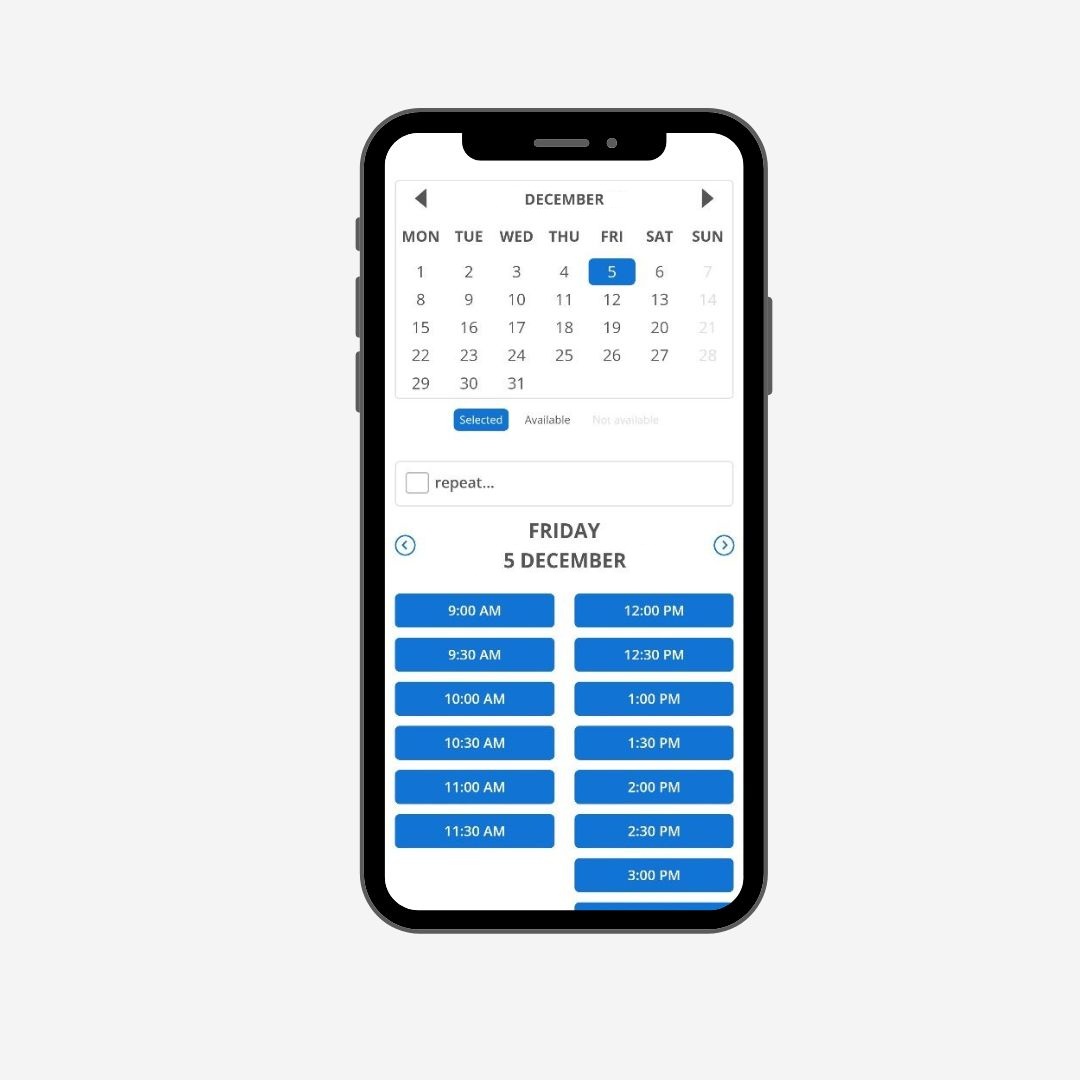
Students book classes based on immediate availability instead of calling or emailing. This eliminates double-bookings for instructors, rooms, and time slots. Payment processing becomes straightforward with integrated systems accepting credit cards, PayPal, and auto-pay options for recurring charges. Your studio operates around the clock and takes registrations while you sleep.
Key features to look for
Quality booking systems display availability of classes up to the minute. Students purchase single classes or class passes through the same interface. Automated confirmations and reminders reduce no-shows without manual outreach. Student profiles combine enrollment history, priorities, and contact details in one central location.
How Bookeo simplifies scheduling and payments
Sign up for a free 30-day trial without providing credit card information. Add your class details, upload showcase images and videos, then customize your booking page colors to match your branding. The Bookeo widget blends into your website without overlays or popups and allows students to book right from your site.
Reducing friction in the enrollment process
Traditional enrollment spans multiple days with phone exchanges, manual approvals, and waiting periods. Automated systems compress this timeline into minutes. Parents click a link, select classes, enter payment details, and receive instant confirmation. This speed affects revenue during peak registration windows.
Conclusion
Successful dance school lead generation combines strategy with speed. Start by building your foundation: know your target demographics, calculate capacity, and streamline your intake process. Activate multiple channels at once after that. Referral programs tap your existing community. Local search optimization captures parents looking for classes. Community partnerships build trust through familiar institutions. Social media reaches families where they spend hours daily. Email automation nurtures leads without manual effort.
Technology amplifies these efforts. Bookeo’s dance school scheduling software handles registration and scheduling while processing payments. The class scheduling system saves you up to 100 hours monthly on administrative tasks. It operates around the clock and converts interested parents into enrolled students while you focus on teaching. Speed matters, so eliminate friction wherever possible. Parents expect instant confirmation and uninterrupted booking experiences. Studios that deliver these conveniences fill classes faster and retain families longer.