

How to Grow Your Fitness Business: 8 Practical Strategies for More Clients, Revenue, and Retention
To grow your fitness business, you must solve one problem: finding and keeping clients. You might be an excellent trainer, but something needs to change if your schedule isn’t full.
Here’s what matters: building your fitness brand requires more than great workouts. Social media helps you attract clients and build community. Group fitness options keep members motivated and accountable. To name just one example, strategic marketing tells a compelling story about your training and results.
This piece breaks down eight strategies to grow your online fitness business, increase revenue and retain more clients.
Build a Strong Online Presence for Your Fitness Brand
Your digital presence determines whether potential clients find you or scroll past to your competitor. People expect to find your services online, read reviews, and book sessions without picking up the phone.
Create a Professional Website
Your website functions as your digital storefront and often delivers the first impression of your fitness brand. Prospects who cannot find you online wonder why, then look elsewhere within seconds. A professional website presentation goes far to attract clients and encourage them to reach out.
Speed matters more than you might think. Most clients will find you on their phone, so mobile-friendliness becomes non-negotiable. Tools like Google PageSpeed Insights help you assess load times and identify bottlenecks that slow your site down. A slow-loading website deters visitors before they even read about your programs.

Security builds trust right away. Your site needs an SSL certificate (the “https://” prefix). A “Not Secure” warning destroys credibility in an instant. Accessibility matters just as much. Use clear fonts, add alt text to images, and maintain proper color contrast so everyone can navigate your content with ease.
Your website should include several critical pages. A homepage acts as an inviting entrance that showcases your style and vibe. An “About” page emphasizes your purpose, values, and what sets you apart. Services pages outline what you offer and, more importantly, how these services benefit your clients. An online booking system integrated with your website allows customers to schedule appointments and pay online with ease. Contact information must be clear and visible. Client testimonials and success stories provide social proof that you deliver results.
Voice search optimization has changed how people find fitness professionals. Prospects now search with conversational phrases like “best online fitness coach near me.” Add Q&A-style copy to capture those queries. Local SEO requires keeping your Google Business Profile updated with accurate hours, services, and photos. Consistent Name, Address, and Phone (NAP) information across all listings boosts your “near me” visibility.
Use Social Media Platforms
Social media has become your virtual shopfront, one that requires no rent and gives you access to thousands of people inside your community. With one in three people finding brands and products through social media, these platforms gain ground over traditional search engines and paid ads.
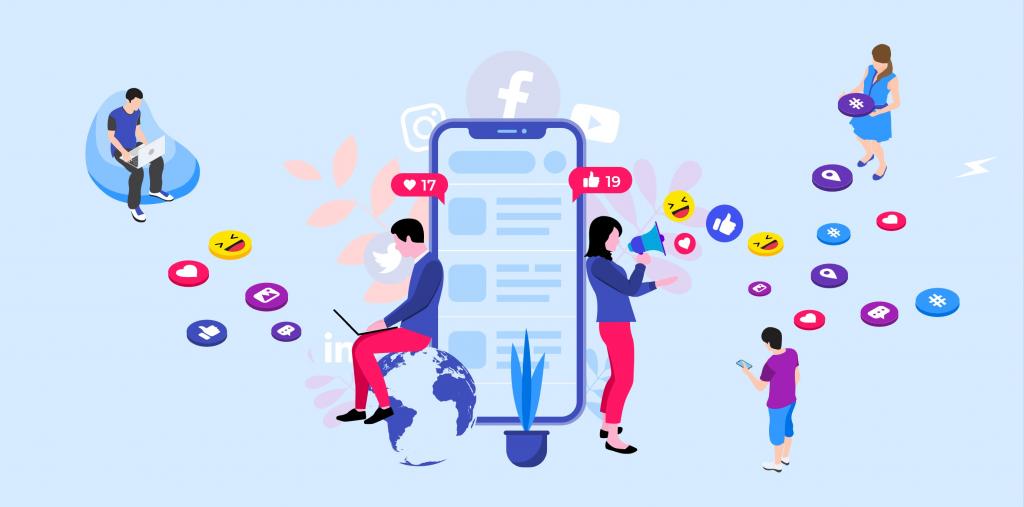
Instagram combines brand visibility, social proof, and instant purchase in one place. Over 130 million users tap on shopping posts every month, thanks to in-app checkout features that work naturally. This matters because people want to keep scrolling without switching to a browser when everything they need already lives on Instagram. The platform reaches about 2 billion monthly active users, with roughly 62 percent aged 18 to 34. From July 10, 2025, public posts from professional accounts get indexed by Google and Bing, which gives every shoppable Reel or photo a second discovery channel.
Facebook has nearly 3 billion monthly users with the highest adoption rate in the 25-44 age group. The platform now runs on private Groups, live workouts, and event promotion, especially when you have local gyms and hybrid coaches. Facebook has shifted from public feed posts to more meaningful, private interactions.
TikTok delivers unmatched organic reach. Accounts under 100,000 followers see engagement rates around 9 percent, the highest of any major social platform. The fitness audience already exists there, with hashtags like #fitness gathering billions of views. TikTok’s search bar outperforms Instagram’s, which makes it perfect for demo workouts and fitness tips that solve real problems fast. The algorithm favors actionable, relatable content and rewards those who show up with consistency.
YouTube reaches about 2.5 billion monthly active users, with roughly 60 percent aged 18 to 34. The platform excels at building trust through long-form authority content while Shorts deliver on short-form trends. You get depth for those ready to commit and quick hits for everyone scrolling by. Content longevity means videos continue being found long after posting.
According to Forbes, 44 percent of Americans turn to social media for health, fitness, and diet advice. Those numbers climb even higher for certain demographics and reach 55 percent for women aged 25-49.
Pick one or two platforms that feel right for you and build a schedule you can stick to. Posting and creating content at a pace that works prevents burnout while maintaining consistency.
Develop Consistent Brand Messaging
Authentic, on-brand messaging separates thriving fitness businesses from forgettable ones. Share the story behind your brand. Let people know who you are and what you value. Whether through blog posts, social media messaging, or video content, your messaging should focus on sharing your story with your audience.
Use storytelling to emphasize what makes you different, customer success stories, and the community your fitness brand attracts. Authenticity appeals, so be genuine and consistent in your messaging to build trust within your audience. By the same token, perfectly curated feeds and glossy fitness transformations no longer work as well as they once did. Consumers, especially Millennials and Gen Z, crave authenticity, transparency, and real stories from people they can relate to.

Showcase the everyday experience of your clients, the challenges they face, and the progress they make. User-generated content boosts authenticity. Sharing real testimonials, before-and-after photos that focus on progress over perfection, or reposting followers’ stories helps build trust and credibility for your brand.
Figure out where your core audience spends time online so you can focus on the appropriate media channels. Use app-specific analytics tools to track when your customers are most active, then match your efforts with their online habits. Create shareable high-value content and use relevant hashtags to expand your reach. Short-form video content delivers high-impact, digestible information to a wide audience fast. These bite-sized videos let you showcase your personality and make it easier to build connections with followers.
Implement an Online Booking and Management System
Manual booking drains time you could spend training clients. Research shows gym owners reduce their administrative tasks by 40% with scheduling software. That time goes back into growing your fitness business instead of managing spreadsheets and phone calls.
Streamline Client Scheduling
Clients book online three times more often than they make calls or visits. They want to see your availability, pick a slot, and confirm without waiting for a callback. Round-the-clock access matters because people browse fitness options at 10 PM after work, not during business hours.
Bookeo’s fitness scheduling software displays real-time availability so clients can reserve personal training sessions, group workouts, or fitness classes instantly. The process stays smooth whether they book from a smartphone, tablet, or desktop. You wake up to a full calendar without answering a single scheduling email.
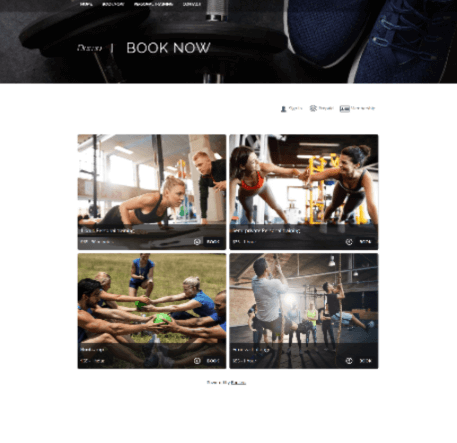
Automated systems deliver another benefit: gyms using them see 15% higher retention rates than those relying on manual methods. The correlation makes sense. Booking feels effortless, and clients commit to more sessions. Friction in scheduling creates drop-off points where motivation fades.
Bookeo sends automatic email or text notifications about upcoming classes. These reminders reduce no-shows by keeping sessions top of mind. You avoid the awkward follow-up texts asking where someone went.
The system monitors everything from cancelation to gift voucher usage and promotional discounts. This data helps you understand booking patterns and adjust your schedule. To name just one example, see Tuesday mornings that show consistent cancelations. You might shift those slots to higher-demand times.
Automate Payment Processing
Bookeo enables gyms, studios, and personal trainers to accept online payments and deposits within the booking process. Clients complete payment in just a few steps while reserving their spot. All payment activity, both online and in-person, combines into a single dashboard inside the system.
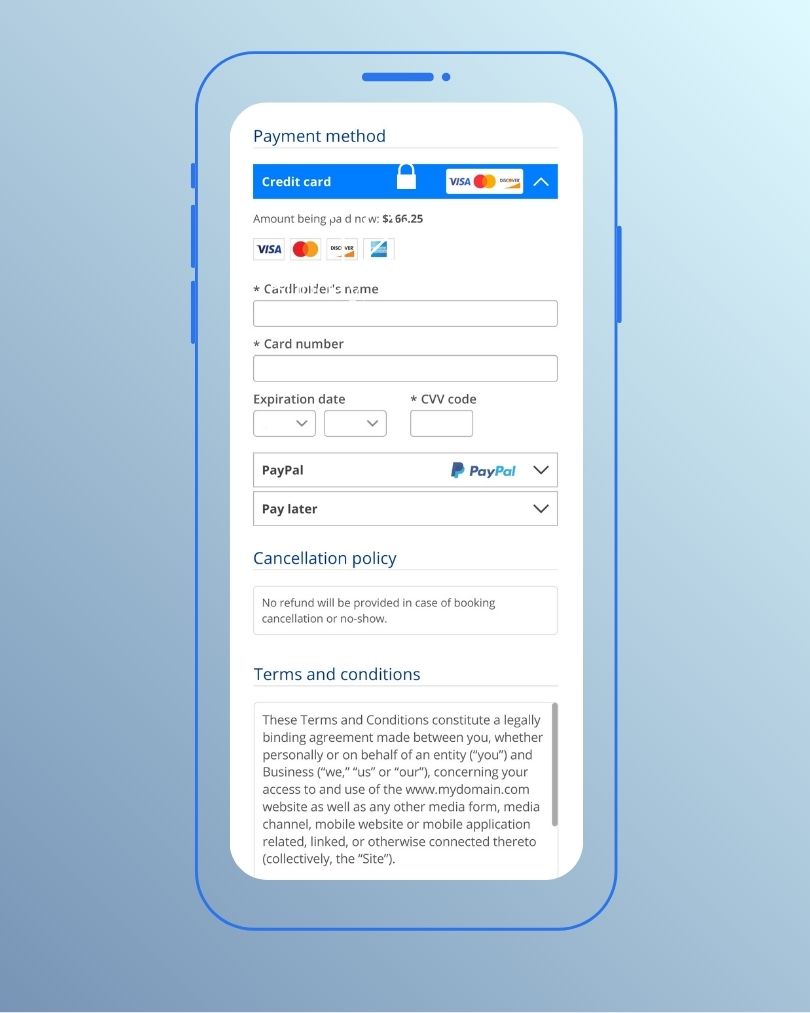
This dashboard gives you a clear overview of scheduled sessions, completed payments, and overall revenue in real time. You see which clients paid, who owes balances, and what your weekly income looks like without digging through multiple systems.
Bookeo integrates with well-known payment gateways such as Stripe and Square. These integrations allow secure credit and debit card processing during checkout while protecting sensitive payment information. Clients trust the checkout process because they recognize the payment brands.
Flexibility in payment settings helps you match different service types. You can require full prepayment for group classes, collect a partial deposit for personal training, store a card on file to secure bookings, or allow reservations without upfront payment. Options like “pay later” and online balance payments give members flexibility to settle outstanding fees before their scheduled session.
Bookeo integrates with POS systems like Square for fitness businesses that accept payments on site. Staff can process tap-and-swipe payments at reception. These in-person transactions sync with online payments inside the same system, and reconciliation becomes straightforward.
Why Bookeo Is the Best Choice for Fitness Businesses
Bookeo’s class booking software does not charge additional commission on payments. You pay only the standard processing fees required by your selected payment provider. This matters especially when you have profit margins on each session to calculate.
The platform offers customizable booking pages that match your brand. Clients see your colors, logo, and style throughout the booking experience. Consistency in branding builds trust and professionalism.
Dashboard updates show availability and payments as they happen. You manage class rosters and attendance from one interface. The system handles gift vouchers, tracks promotional discount usage, and monitors cancelation policies.
Then you make informed decisions about operations based on actual data rather than guesswork. The booking system becomes the operational backbone of how you grow your fitness business and frees you to focus on what you do best: training clients and building community.
Vary Your Service Offerings
Relying solely on membership fees limits your income potential and leaves you vulnerable when market conditions change. Varying revenue streams reduces that dependence while attracting different client segments.
Add Online Training Programs
Remote coaching allows you to work with athletes who cannot make it to your facility. They might be traveling, relocated, or prefer training independently. You create a programming track for remote athletes, set up billing at a lower price point than in-person membership, and deliver programming through your platform’s app.
Revenue potential sits between $50 and $100 per remote athlete monthly. The math works in your favor. Even 20 remote athletes at $75 generates $1,500 per month in nearly pure margin. No overhead, facility costs, or equipment expenses eat into that income.
Your programming expertise extends beyond your four walls this way. Virtual offerings can include on-demand workouts, live-streamed classes, or personalized training apps. Technology gives you the tools to reach clients in virtually any location. Once you create the content and launch your program, you manage members’ progress and support results without being present for every session.
Offer Group Fitness Classes
Group fitness combines professional guidance with community energy. Members get expert coaching without paying premium one-on-one rates, while you maximize facility capacity and generate more revenue per hour than traditional sessions.
Different formats serve different needs. Semi-private training with 3-4 participants offers personalized attention at 40-60% of one-on-one pricing. Small group training with 5-10 members costs 25-40% of personal training rates. Large group classes with 10+ participants often get included in gym memberships or charged per class.

The revenue difference matters. Instead of charging $80 for one hour with one client, you charge $40 per person to train four clients at once. Your hourly revenue doubles while clients pay less. They also gain accountability and community that solo sessions do not always deliver.
Specialty group classes like aerial yoga, boxing, or dance fitness command premium pricing. Rotating offerings seasonally keeps interest high and attendance steady. Built-in accountability means members show up more because they commit to their training partners, not just themselves.
Create Hybrid Training Options
Hybrid personal training merges in-person and online coaching and gives clients flexibility without sacrificing the personal touch. They train anytime, anywhere, while still receiving personalized guidance and support.
Hybrid opens new revenue streams for trainers, expands your client base, and creates a more scalable business model. Nearly 4 in 10 trainers report a change in client expectations, with the most common demand being complete support beyond just workouts. The hybrid model delivers exactly that.
Basic tiers might include app-based programming with weekly check-ins. Mid-level options add live virtual sessions and nutrition coaching. Premium packages combine regular in-person sessions with the full digital experience. Pricing reflects the level of access and personalization, not merely the number of sessions.
Hybrid training benefits client retention. When clients cannot afford full one-on-one training anymore, you offer a budget-friendly option right away rather than losing them entirely. The model frees up trainer time slots for new client bookings while retaining existing relationships.
Develop Specialized Niche Services
Beyond core group classes, specialty programs generate revenue at higher price points. Olympic lifting clinics, nutrition challenges, beginners’ bootcamps, competition prep courses, or movement seminars serve two purposes. They create extra income from existing members seeking deeper skill development and attract new prospects interested in focused, time-limited programs rather than full memberships.
Price specialty programs between $50 and $200 per person depending on duration and depth. A 6-week Olympic lifting program with 15 participants at $150 generates $2,250 from programming you would coach anyway.
Sport-specific training caters to athletes preparing for races, tournaments, or specific seasons. Age-group programming targets different demographics like youth, seniors, or new parents. Corporate wellness programs secure consistent income through partnerships offering discounted group memberships, wellness workshops, or on-site fitness sessions for company teams.
These programs help you stand out in a crowded market while meeting specific client needs that generic offerings miss.
Become Skilled at Content Marketing and Social Media
Content creation separates thriving fitness brands from those that are invisible. Random posting won’t work. You need a strategy that attracts prospects, you retain control, and converts followers into paying clients.
Post Short-Form Video Content
Short-form video ranks number one for lead generation and engagement. 85% of marketers say video is the most effective format on social media. Platforms like TikTok and Instagram Reels reward creators who deliver quick, valuable content that stops the scroll.
Your equipment needs stay simple. Most modern smartphones capture high-quality video without requiring a cinema camera. Invest in a phone stand for stationary shots and a selfie stick for movement. Good lighting matters more than camera quality. A basic ring light or natural window light ensures you and your background appear clearly. For audio, especially when you have longer podcast content to cut into short clips, the Snowball by Logitech delivers clear sound that keeps viewers watching.
Consistency beats perfection every time. Build a bank of long-form content to solve the volume problem. Record one extended workout tutorial or coaching session, then slice it into multiple short clips throughout the week. This approach produces more content with less daily effort.
Focus on two content categories that drive results. Motivational content addresses your members’ biggest barrier: getting up and actually doing the workout. Instructional content helps you retain control by teaching proper form, exercise techniques, or nutrition basics in clear, simple terms. Humorous content keeps people entertained, with 33% of marketers believing funny videos will deliver the most effective short-form results going forward.
Include a call-to-action at the end of your videos. The purpose behind your content is capturing attention and prompting action. Direct viewers to book a consultation, download your free guide, or visit your website.
Share Client Success Stories
Real results from real members persuade better than any sales copy you’ll write. Before-and-after transformations and stories of clients overcoming obstacles demonstrate the outcomes you deliver. These posts inspire current members while showing prospects exactly what they can achieve.
User-generated content brings authenticity that polished marketing cannot match. When clients post gym selfies or workout clips, ask permission to reshare that content. Prospective members trust this genuine content more than influencer promotions, with 86% of consumers more likely to trust brands publishing user-generated material.
Member spotlights strengthen community while providing social proof. Feature a “member of the month” highlighting individual journeys, goals, and progress. These posts help members connect while publicly recognizing their hard work. Recognition motivates the featured member and encourages others to push harder.
Capture testimonials after clients hit significant milestones. Request permission to share their story, and video testimonials perform particularly well, with 39% of video marketers creating them as the most popular use case for video marketing.
Create Free Valuable Resources
Downloadable resources grow your email list while delivering genuine value upfront. A 4-week beginner strength program or meal planning template gated behind an email signup converts browsers into leads. Specificity matters more than breadth. “4-week beginner strength program” attracts more signups than a generic “fitness guide”.
Free challenges create shareable moments that expand reach. A 7-day core workout or 14-day habit tracker positions you as a coach who delivers value before anyone spends money. Challenges spread through social shares, build your email list, and demonstrate your coaching style to prospects.
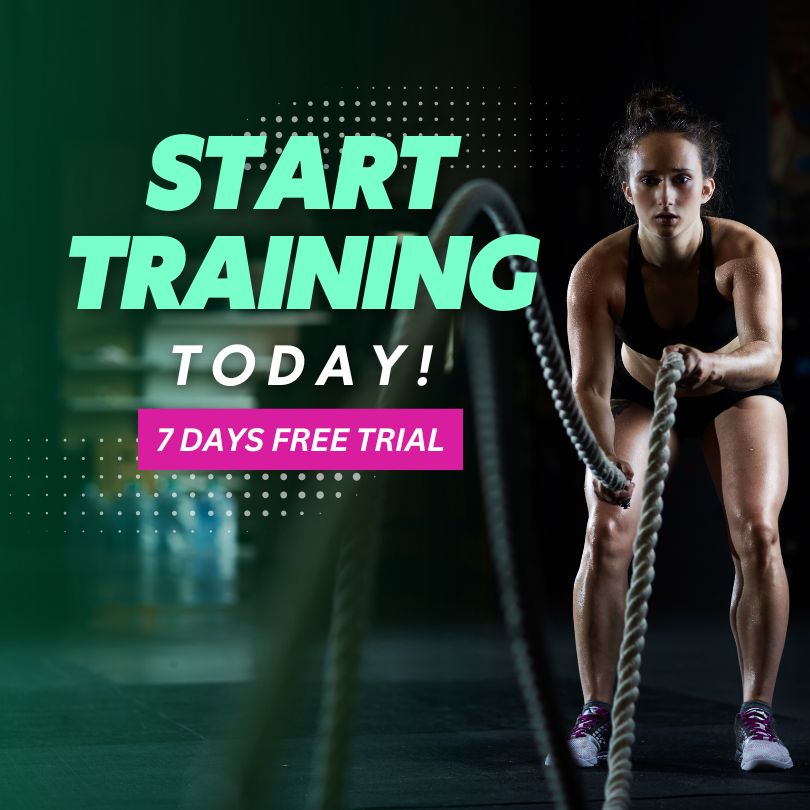
Blog content establishes expertise while improving search visibility. Write articles covering workout tips, nutrition advice, injury prevention, or member success stories. Fresh, valuable content improves your website’s search rankings, driving organic traffic from people actively searching for fitness solutions. Optimize posts with relevant keywords so prospects discover your expertise when they need it most.
Build and Nurture Your Community
A strong fitness business is built on more than workouts, memberships, or class schedules. People stay connected to brands that make them feel seen, supported, and part of something bigger. Whether you run a gym, personal training studio, yoga business, bootcamp, or online fitness program, community can become one of your strongest growth tools.
Start by creating opportunities for clients to interact outside regular sessions. This could include monthly challenges, member spotlights, private social media groups, transformation boards, group events, or wellness workshops. These small touchpoints help clients build relationships with each other, not just with your business.
Community also makes your fitness business more memorable. When clients feel connected, they are more likely to show up consistently, renew their memberships, invite friends, and talk about your brand. The key is to make people feel like they belong. Celebrate progress, encourage participation, and keep communication personal. A loyal community can turn casual clients into long-term advocates.
Launch a Strategic Referral Program
Word-of-mouth is one of the most powerful ways to grow a fitness business because people trust recommendations from friends, family, and coworkers. A referral program gives your happiest clients a clear reason to share your business with others.
Instead of simply hoping clients will refer people, create a structured program that is easy to understand and rewarding for both sides. For example, you might offer a free class, account credit, discounted session, branded merchandise, or a membership upgrade when a client refers someone who signs up. You can also give the new client a welcome discount to make the first step easier.
Make sure your referral program is simple to explain and easy to promote. Mention it during sessions, include it in email newsletters, post about it on social media, and add it to your website or booking system. The best referral programs feel natural, not pushy. Focus on making it easy for satisfied clients to recommend your business when someone asks where they train.
Focus on Client Retention and Experience
Attracting new clients is important, but keeping existing clients is often more profitable. Retention helps stabilize revenue, reduce marketing costs, and build a stronger fitness community. If clients are leaving after a few weeks or months, growth becomes much harder because you are constantly replacing people instead of building momentum.
A better client experience starts with understanding what people need at each stage of their journey. New clients may need onboarding, goal-setting, education, and extra encouragement. Long-term clients may need variety, progress tracking, advanced programming, or more personal attention to stay engaged.
Small improvements can make a big difference. Send check-in messages, track milestones, celebrate achievements, ask for feedback, and make it easy for clients to reschedule or manage their memberships. Clients are more likely to stay when they feel supported, not just sold to. The goal is to create an experience that makes people feel confident, motivated, and excited to continue.
Invest in Quality Tools and Equipment
The tools and equipment you use directly affect the client experience. Clients notice when equipment is clean, reliable, safe, and suited to their goals. Whether you operate a full gym, boutique studio, personal training space, or mobile fitness business, quality equipment helps you deliver better sessions and build trust.
Investing in the right tools does not always mean buying the most expensive options. It means choosing equipment that supports your services, fits your space, and improves the way clients train. This might include strength equipment, recovery tools, wearable technology, booking software, payment systems, client management platforms, or progress-tracking apps.

The right tools can also make your business more efficient. Online scheduling, automated reminders, digital waivers, membership management, and client communication tools can save time and reduce admin work. When your systems run smoothly, you can spend more energy coaching, building relationships, and improving results.
Conclusion
Growing a fitness business takes more than getting new leads. Sustainable growth comes from creating a business people want to join, stay with, and recommend to others. By building a strong community, encouraging referrals, improving retention, and investing in the right tools, you can create a better experience for clients while increasing revenue over time.
The most successful fitness businesses focus on relationships as much as results. Clients want great workouts, but they also want support, convenience, motivation, and a sense of progress. When your business delivers that consistently, growth becomes easier because your existing clients help drive it.
Start with the areas that will have the biggest immediate impact. Improve communication, make referrals easier, strengthen the client experience, and upgrade the systems that support your daily operations. Small, consistent improvements can lead to stronger retention, more referrals, and a fitness business that grows with less friction.