

How to Master Personal Training Lead Generation: A Step-by-Step Guide for Fitness Coaches
Becoming skilled at personal training lead generation could be the difference between a thriving fitness business and an empty schedule. Businesses are 21 times more likely to connect with leads if they respond within 5 minutes compared to 30 minutes. But with increased competition from online fitness platforms and boutique studios, attracting clients has become more challenging. This piece walks you through proven lead generation strategies that personal training professionals use to attract high-quality clients. You’ll find practical personal training lead generation ideas and systems that convert prospects into paying clients.
Understanding Personal Training Lead Generation Basics
What Lead Generation Means for Fitness Coaches
Personal training lead generation refers to the strategies and methods you use to attract potential clients interested in your fitness services. This process involves various marketing techniques like social media advertising, content marketing, and referral programs that convert leads into paying clients.

Think of it differently. Lead generation isn’t just about adding names to a list. It’s about finding people who are ready to transform their lives with your help. Each lead represents someone who just needs your expertise and support to achieve their fitness goals.
Effective personal training lead generation helps you build a strong client base and grow your fitness business. A solid strategy maintains a steady stream of prospects and keeps your schedule packed. More leads mean more opportunities to share your passion and grow your brand.
Quality matters more than quantity. Successful lead generation strategies for personal trainers aren’t just about getting more people through the door. They’re about attracting the right people who are ready to commit to their fitness goals and can afford your services. You can build a predictable pipeline of prospects while positioning yourself as the go-to expert in your market when you focus on quality.
Why Most Personal Trainers Struggle with Lead Generation
Advertising demands excessive time, energy, and financial resources. This makes it difficult to maintain consistent marketing efforts. So many fitness coaches find themselves stuck at the £2.5k–£5k monthly revenue ceiling, not because they aren’t good coaches, but because their lead generation architecture is fundamentally broken.
Most trainers rely on random acts of content hoping to “go viral.” They wait for referrals like waiting for rain in a desert. They manually message people until their thumbs hurt or offer free trials to anyone with a pulse. The result? Income fluctuates like a heart rate monitor during a HIIT session. You have no predictability, no freedom, no system.
Referrals are great. They signal you’re a fantastic coach. But referrals are a bonus, not a lead generation strategy. You hand over the keys to your business to your clients when you rely solely on word of mouth. If they don’t feel like talking about you this month, you don’t eat.
There’s another common mistake that involves trying to market to everyone. If you try to target fat loss, muscle gain, and athletic performance all in the same feed, it becomes a confused mess. Potential clients are looking for an expert, not a generalist.
The need for ongoing investment in campaigns can lead to uncertainty regarding returns. The inability to target every potential customer intent limits market reach effectively. This situation often requires either dedicated staff to manage ads or external marketing services that get pricey, further complicating the process for fitness coaches.
The Lead Generation Funnel Explained
A sales funnel is a system designed to convert visitors into leads, leads into customers, and customers into repeat customers. The funnel concept visualizes how many potential customers are narrowed down into a smaller group of actual customers progressively.
Most people are not quite ready to buy from you when they first hear about you or stumble across your website. These are often called ‘cold’ leads. Your sales funnel is how you answer their questions, form a relationship and help these leads get to know you.
A practical funnel has five stages: discovery, trust, lead capture, consultation and retention. Each stage answers a different question in the prospect’s mind. People ask who you are at the top. They ask whether you understand their problem in the middle. They need a clear next step and confidence that the service will be delivered professionally at the bottom.
Different tactics and messaging are used at each stage to move prospects smoothly through the funnel and convert them into customers. No single approach will generate all the leads you just need, but blending different methods creates synergy that multiplies your results. You create multiple touchpoints with potential clients by layering your strategies, keeping your fitness business top of mind.
Step 1: Define Your Ideal Client Avatar
Your personal training lead generation strategies will fail if you’re marketing to everyone. Trying to attract every possible client dilutes your message and wastes your resources. Focus matters more than you think.
Identifying Your Target Market
Your niche often determines your target audience. A niche represents an area where you specialize. If you train soccer athletes most of the time, this becomes your target audience. If you work with mothers of small children, they represent your market.
Marketing to everyone wastes time and money. The more you focus your brand on the right target market for you, the faster you’ll build your personal training business. Look at your current clients if you’ve been training for some time. You probably have a good idea of the type of client you serve.

Ask yourself these questions to find your niche: What are you passionate about when it comes to fitness? What topics can you talk about for hours? What fitness methods or exercises do you enjoy most? What problems do you like to help solve for your clients?
There’s another reason to think over whether a particular niche market is underserved in your area. Making this your niche sets you apart from other personal training professionals. It also gives you access to clientele that isn’t being marketed to.
Understanding Client Pain Points and Goals
Pain points are the problems your clients are having. The ones that bug them and worry them. Pain points are the reason people will hire you to be their coach. Letting them know that you understand those pain points builds the trust prospective clients need.
Pain points fall into obvious and subtle categories. The big ones are easy to figure out. Weight loss may connect to confidence for one client. Another person may pursue strength so they can return to recreational sports. Someone else might want enough energy to keep up with their children during daily activities.
Strong coaching begins with curiosity. Ask thoughtful questions and listen to the answers. A conversation about what inspired the client to begin training now often reveals valuable insight. Discussions about what progress might look like in three or six months can also clarify expectations.
Your clients have two major pain points that must be addressed. The first one you already know about: being overweight, lacking energy, low confidence, clothes not fitting. The second pain that most trainers miss involves the pain of taking action. Doing something about their problem brings a whole new set of concerns: discomfort in the gym with people watching, giving up favorite foods, fear of failing again, embarrassment.
Creating a Detailed Client Profile
Create a buyer persona so you have an actual being, albeit virtual, that you can think about when crafting your marketing approach. Imagine your coaching business as a video game. If you had to create an avatar for your ideal potential customer, what would it look like?
Think over these demographic factors: gender, age, income level, marital or family status, training experience, learning style, fitness goals. Identify three to five pain points within this audience and build an avatar for each one.
Here are examples: a 55-year-old woman struggling with postmenopausal weight gain, a 65-year-old retiree who wants more energy, a 73-year-old concerned about falling. Now go deeper. Identify at least three reasons why this person might want to hire you for each avatar.
Your ideal client profile should answer these questions: What is your ideal client’s demographic? What are the pains they are experiencing right now because of their fitness? What are their fears about fitness? What are their goals and desires? What are their possible objections to working with you?
Document your ideal client profile so you can refer to it when writing social media posts, emails, or other content. You must let market research inform your avatars. It won’t work if you make assumptions about what your target clients should want. Immerse yourself in your client’s world. Visit the stores where they shop. Read the magazines they read. Talk to them and pay attention to the language they use.
Step 2: Build Your Online Presence Foundation
Your online presence acts as your virtual storefront. Digitally savvy clients expect they can interact with your business on their own terms, any time, anywhere. Your personal training lead generation efforts will struggle without a professional website, optimized Google Business Profile, and a social-first presence.
Setting Up Your Professional Website
Register your domain name first. Pick something short and easy to share. Avoid numbers, hyphens, underscores, and symbols that are difficult to remember. Your domain could be your business name if available, your personal name, or something that fits your fitness brand and location.
Website builders like Square or Squarespace remove the need for coding knowledge. Square helps you grow your business with a professional website, and the easy-to-use site builder allows you to combine appointments smoothly so clients can book online 24/7 with friendly automated reminders. Booking platforms like Bookeo offer scheduling integration that lets clients reserve sessions through your site.

Your homepage must show who you are, what types of services you offer, and what makes your offering stand out. Include an appointments page with a clear way to book sessions and an about page where your personality shines. Add contact information with email and phone number. Client testimonials with before-and-after photos help build trust. An FAQ section answers common questions. Using an internal linking strategy builds authority and creates easy site navigation.
Optimizing Your Google Business Profile
Google Business Profiles average 1,200+ views monthly without any ad spend. That’s 1,200 opportunities for potential clients to find your services. 40% of clicks go to the top result, while page two gets almost nothing.
Set up starts at google.com/business. Search for your business name and claim it if it exists, or create a new listing. Choose “Personal Trainer” as your primary business category. This single choice greatly affects which searches display your profile. Service area businesses that travel to clients can hide their exact address from public view.
Complete every single field. Google rewards complete profiles with better visibility. Businesses that finish their account setup are 2.7 times more likely to stand out in search results. You should upload 10-20 high-quality photos minimum. Include shots that show you training clients, your facility or space, and equipment. Photos with people get 42% more direction requests.
Reviews boost your local search ranking. They can lift conversions by up to 190% for lower-priced services. 80% of high-intent searchers lead to sales, a site visit, or consultation within 24 hours, and 92% of customers will choose one of the first three businesses listed. Post weekly for maximum effect. Businesses posting on a regular basis receive 70% more engagement than those posting monthly or not at all.
Choosing the Right Social Media Platforms
Instagram combines fitness brand visibility, social proof, and instant purchase in one place. Over 130 million users tap on shopping posts every month. With about 2 billion monthly active users and roughly 62 percent aged 18 to 34, Instagram works well for visual content like workout videos and client transformations.
Facebook has nearly 3 billion monthly users with the strongest adoption in the 25-44 age range. It works great for creating business pages, running ads, and participating with local communities through Groups.

YouTube’s 2.5 billion monthly active users make it perfect for building trust through long-form authority content. It remains unmatched for appearing in search results. TikTok’s 1.6 billion monthly active users skew younger, with 67% between 18-34 years old. Accounts under 100k followers see engagement rates around 9%, the highest of any major social platform.
Choose platforms where your target audience spends time. Younger generations lean toward Instagram and TikTok, while older demographics favor Facebook.
Step 3: Implement Digital Lead Generation Strategies
Digital strategies power your personal training lead generation engine. These tactics attract prospects who search for fitness solutions and convert them into clients once your foundation is set.
Local SEO for Personal Trainers
46% of all Google searches have local intent. Someone who searches “personal trainer near me” or “best personal trainer in [city]” is ready to hire, not browse. Local SEO positions you in front of these high-intent prospects.
Your Google Business Profile serves as your primary gateway to local discovery. This free tool appears in map listings and knowledge panels for local searches if you optimize it properly. Reviews are the single biggest ranking factor for local search. A trainer with 60 reviews at 4.8 stars will outrank and out-convert one with 4 reviews at 5 stars almost every time. Review volume signals trust to both Google and potential clients.
NAP consistency matters more than most trainers realize. Your Name, Address, and Phone number must appear identically everywhere online: website, Google Business Profile, social media, and directory listings. Small variations like “St.” versus “Street” confuse search engines and hurt rankings.

On-page SEO requires strategic keyword placement. Include location-specific phrases like “personal trainer in [your city]” naturally in page titles, headings, URL slugs, and body content. Create separate landing pages for each area you serve rather than lumping all services on one generic page.
Content Marketing That Attracts Clients
Content marketing establishes authority while attracting prospects who research fitness solutions. High-quality material builds trust before anyone spends money. Write blog posts addressing common fitness challenges. Create downloadable guides. Develop video tutorials demonstrating proper form, or host webinars on nutrition basics.
Genuine value matters more than constant promotion. People who find your content helpful will think about you once they’re ready to hire a personal trainer. Challenge-based content like a 30-day fitness challenge with email sign-up requirements ranks among the highest-converting lead magnets in the fitness industry.
Social Media Lead Generation Tactics
Instagram, Facebook, and TikTok offer powerful opportunities to showcase expertise and generate leads organically. TikTok accounts under 100k followers see engagement rates around 9%, the highest of any major platform. Share transformation photos and post workout videos demonstrating techniques. Use relevant fitness hashtags to increase discoverability.
Facebook’s 3.065 billion monthly users make it ideal for community building. Join local groups and provide helpful fitness advice. Host live workout sessions or Q&A sessions to build engagement. 39% of social buyers have made purchases directly on Facebook.
Email Marketing for Lead Nurturing
Email marketing returns USD 36 for every USD 1 spent. 86% of consumers prefer email-based marketing messages over Facebook ads and TV commercials. Email converts 40 times more leads into customers than Facebook and Twitter combined.

Build your list with lead magnets: downloadable workout plans, nutrition guides, equipment-free exercise PDFs, or healthy recipe collections. Lead with benefit-focused landing page copy that tells readers the results they’ll get. Deliver 80% value-driven content and 20% sales content where you pitch your services. Segment your audience based on interests and fitness goals for higher engagement rates.
Step 4: Leverage Traditional Lead Generation Methods
While digital tactics dominate modern marketing conversations, traditional personal training lead generation methods deliver results that algorithms can’t replicate. Face-to-face interactions build trust faster. Personal recommendations carry weight that paid ads never will.
Creating Effective Referral Programs
Referrals convert better than any other lead source. Roughly 84% of consumers trust recommendations from family and friends more than advertising campaigns. Friends and colleagues trust individuals they know personally. Their firsthand knowledge of your training effectiveness is highly credible.
A digital referral program automates what word-of-mouth alone cannot achieve. The system records it and triggers rewards when one of your current clients refers someone new. This structured approach transforms happy clients into loyal promoters who spread the word about your services.
Dual-sided rewards work best. Reward both the existing client and the new prospect. The promoter becomes more likely to make additional high-quality referrals when incentivized, and the new client sticks around longer. Think over offering free personal training sessions, account credits toward future services, or discounts on monthly memberships.
Your most committed promoters share common traits: they’ve been clients the longest, train with you most frequently, and already talk about your services on social media or in positive reviews. Referred clients stay longer and generate higher lifetime value because they trust the peers who referred them.
Networking with Local Businesses
Mutually beneficial alliances with complementary businesses multiply your reach without multiplying your costs. Partner with physical therapists, chiropractors, and nutritionists. These professionals serve the same clients you do but aren’t competitors.
Referral networks function differently than casual partnerships. A personal trainer partnering with a physical therapist creates mutual referral opportunities. This collaboration strengthens professional relationships while enhancing client well-being.
Retail stores open their doors to fitness professionals for in-store workout experiences more often now. These events offer compensation opportunities and access to audiences you wouldn’t meet otherwise. Relationships with store managers and community coordinators pay dividends, as they become gatekeepers for recurring opportunities.
Hosting Community Fitness Events
Events showcase your facility and services in social environments that feel less sales-driven. Host open houses, charity workouts, or seasonal challenges. These gatherings generate leads while building awareness and trust in your local community.
Charity fitness events serve dual purposes. Partner with local charities to raise funds while increasing brand visibility and encouraging community engagement. If weather permits, free outdoor workout sessions give potential members a taste of your coaching style. Keep sessions fun and available rather than overwhelming.
Step 5: Create Irresistible Lead Magnets and Offers
Lead magnets separate thriving fitness businesses from those struggling to fill their calendars. These value-packed offers capture contact information while demonstrating your expertise. The right lead magnet attracts qualified prospects rather than bargain hunters.
Free Fitness Assessments and Consultations
Potential clients who want personalized recommendations about their health and wellness status are drawn to free fitness assessments. This approach showcases your expertise and builds trust, which increases the likelihood of securing new clients.
A fitness consultation typically has an hour-long session with a trainer. You discuss health and fitness goals, past workout history, tour the facility, complete a brief warm-up, do a light workout, and leave with a fitness plan for the first 30 days. The trainer answers questions and explains principles of cardiovascular, strength, and flexibility training.
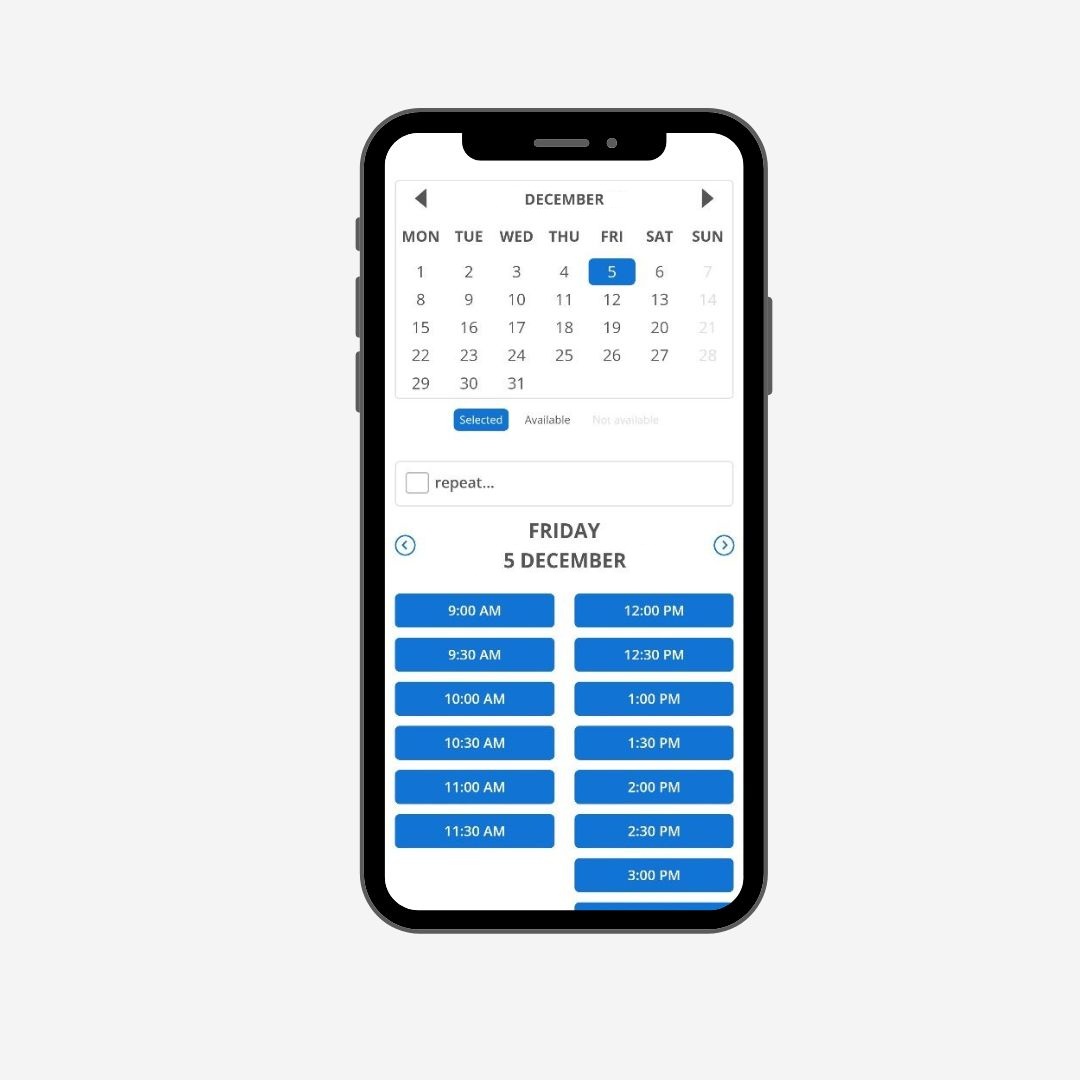
Free digital fitness consultations help you understand prospect needs better and tailor services so they fit. Offer a free session, capture prospect details, then send automated follow-up emails with special offers to join your program. Personal trainer booking platforms like Bookeo streamline this process. They enable online booking for consultations and allow prospects to schedule appointments directly through your website 24/7 with automated reminders.
Downloadable Workout Plans and Guides
Everybody needs a plan, whatever their workout experience. People are always willing to try something new. Create customized workout plans for different goals and exchange them for email addresses of potential leads.
Make titles time-sensitive and specific to attract attention. “Build muscle in just 30 days” or “Slim down before the holidays” work well. Specificity combined with urgency triggers fear of missing out, which motivates action.
Challenge-Based Lead Magnets
The 30-day online fitness challenge ranks among the most popular lead magnets. It provides value to existing members and prospects. Prospects see what you offer without committing to membership, while current members try something new.
Structure your challenge as a series of workouts appropriate for all levels, beginners included. Send workouts via email. Choose whether participants complete one workout per day or repeat over the course of the month. Create multiple workout sets so people don’t get bored doing the same routine.
Trial Offers That Convert
Free trials let people test your services before buying. Offer a 7-day pass via your website and follow up with a call. Single-session offers attract discount shoppers but don’t build routine practice that creates loyal clientele, so think about offering multiple free sessions.
Timing determines trial success. Use trials from the start when you have low-end services like online group training. You can also offer trials mid-funnel after establishing rapport through email sequences. Handpicked trials work when leads interact with your business regularly and show interest.
Step 6: Set Up Lead Tracking and Management Systems
Once you’ve captured potential clients through magnets and offers, spreadsheets and sticky notes won’t cut it anymore. Personal trainers benefit from a CRM once they manage more than 10-15 active clients. Proper systems prevent follow-ups from slipping through the cracks. Onboarding varies for each new client, and billing turns into a manual chase.
Using CRM Tools to Organize Leads
Leads contacted within 5 minutes of submission convert at roughly 4x the rate of leads contacted after 30 minutes. Conversion rates fall off a cliff after an hour. Manual follow-up cannot keep up with the pace of inbound interest. A lead fills out your form at 8:47 PM on a Tuesday. You finally respond in the morning, but they’ve already looked at two other trainers and chosen one that replied within 10 minutes.
A personal trainer CRM should include client profiles, communication tools, workout delivery and progress tracking. So members who haven’t checked in for 14 days are at high churn risk. A CRM can detect that and trigger a check-in text from a coach before the member cancels.
Implementing Online Booking Software for Uninterrupted Scheduling
Bookeo optimizes scheduling by enabling online booking for consultations and sessions. Prospects can reserve appointments through your website 24/7 with automated reminders. Clients view your available sessions and book without needing to contact you. Reduce distracting calls and emails by offering easy online self-booking.
Automated reminders cut down on missed sessions. Send SMS and email reminders to reduce no-shows. Gyms using automated reminders see a 70%+ reduction in no-shows.

Automating Follow-Up Sequences
Automated follow-up sequences are pre-designed workflows that send individual-specific messages via SMS or email based on your lead’s behavior. New lead from Facebook? Instant welcome SMS plus booking email. No-show for a trial? Send a motivational check-in with a reschedule link. Many clients have seen 30-50% improvements in conversion rates after switching to automated sequences.
Step 7: Convert Leads into Paying Clients
Your systems captured the lead. Now comes the moment that determines your personal training lead generation ROI.
Responding to Questions Quickly
Speed separates winners from also-rans. Responding within 5 minutes increases conversion rates by 100x compared to a 30-minute delay. 78% of customers buy from the first company that responds to their question. Calling a lead within one minute of their question boosts conversion rates by 391%.
Set up instant SMS responses the second a question arrives. Follow with a phone call within 5-15 minutes. If they don’t answer, leave a voicemail and send a text offering to share next steps.
Conducting Consultation Calls
Sales scripts provide structure and confidence. Start by building rapport through easy conversation about their day or location. Then frame the call: explain you’ll ask questions about their background and challenges. If you can help, you’ll explain your program.
The discovery phase makes the sale. Ask open-ended questions and listen. Your goal is understanding their problem, not pitching services. Show empathy by proving their challenges right.
Presenting Your Services and Pricing
Provide two or three package options rather than a single yes-or-no choice. This eliminates objections and keeps prospects in control. Recommend the higher-value option by connecting features to their stated goals.
Handling Objections Professionally
Common objections include time constraints and cost concerns, while some need partner approval or want to shop around. Ask permission to explore solutions together. When someone says “too expensive,” dig deeper. That is different from “I can’t afford it”. The first means you haven’t shown value; the second requires payment plans or budget reframing.
Step 8: Measure, Optimize, and Scale Your Lead Generation
Data separates guessing from knowing. Personal training lead generation becomes predictable when you track what matters and refine based on results.
Tracking Key Performance Metrics
Client Acquisition Cost (CAC) measures how much you spend to get each new client. Divide total marketing and sales costs by the number of new clients acquired. Suppose you spent USD 500.00 on Facebook ads, USD 200.00 on your website, and 10 hours on consultations (valued at USD 50.00/hour) in a month and gained 5 new clients. Your CAC is USD 1200.00 / 5 = USD 240.00 per client.
Lead-to-sale conversion rate measures the percentage of prospects that become paying clients. Divide new clients by total leads. Say you had 20 inquiries last month and converted 8 to clients. Your conversion rate is 40%.
Testing Different Lead Sources
Track lead volume by source: website and referrals. Calculate cost per lead by dividing total spend on a campaign by leads received. Test different sources to determine which ones yield the highest number of leads at reasonable cost.
Building Consistent Marketing Habits
Schedule daily tasks: respond to inquiries, post social content, and interact with followers. Weekly activities include planning content, networking with professionals, analyzing performance, and sending newsletters.
Scaling What Works
Document successful tactics and double down on them. Focus effort on high-converting pages and create more content like them.
Conclusion
You now have a complete roadmap to transform your personal training lead generation from random hope into predictable revenue. The difference between a packed schedule and an empty calendar comes down to systems, not luck.
Start with one or two strategies that match your strengths and ideal client profile. Become skilled at those before adding more. Then your conversion rates will climb as you refine each touchpoint in your funnel.
Speed wins. Note that response time matters more than perfect messaging. Track your metrics, double down on what works, and cut what doesn’t.
Your expertise deserves clients who value it. Stop waiting for referrals and start building a lead generation machine that works while you sleep.