
How to Start a Golf Lessons Business in 2025: A Proven Step-by-Step Guide
Golf attracted over 36 million Americans in 2022. The sport maintains a dedicated following and provides a stable market for aspiring coaches.
A golf lessons business can become one of the most rewarding careers for sport enthusiasts. Players just need personalized golf instruction as they look for coaches who can provide custom advice based on their style and goals. On top of that, junior golfers and families want to develop young talent.
Golf instruction credentials build your credibility because being a great golfer doesn’t automatically make you a great teacher. Your golf teaching business will benefit from new technologies like swing analysis apps and virtual coaching platforms that enable evidence-based feedback. The corporate golf instruction market should grow at a 5% CAGR through the next five years.
This piece shows the exact steps to create a golf business that runs on success in 2025. You’ll find everything to turn your passion into profit – from defining your niche to setting up legal foundations, designing effective curricula, and building your brand.
Understand the Golf Coaching Market in 2025
The golf coaching world looks completely different today than it did a few years ago. The global golf training aids market reached $827.1 million in 2022. Experts predict a 5.2% annual growth through 2030. More projections suggest this market will reach $1.4 billion by 2025 and could hit $2.9 billion by 2035. These numbers show amazing opportunities for people who want to become golf coaches.
Trends in golf instruction demand
Technology leads the way in changing how golf instruction works. Today’s players expect their coaches to use advanced tools such as:
- Swing analyzers and motion sensors that give live feedback
- Launch monitors that track ball flight and club data
- Video analysis software that breaks down swings
- Virtual simulators that let you train year-round, whatever the weather
Changes after the pandemic created new patterns in how people learn. Home training equipment like portable nets, alignment sticks, and indoor putting greens became hugely popular. So, coaches who offer both in-person and virtual lessons now have an edge.
Young players make up another big growth area. Almost half of all U.S. golf players in 2021 were between 6-34 years old. This age shift creates great opportunities for coaches who love working with junior players.
Types of clients you can serve
Golf’s diverse market offers several unique client groups you can teach:
Beginners make up your largest possible client base. These students just need basic instruction and usually prefer a well-laid-out program that builds their confidence. They care more about patient, clear teaching than complex technical details.
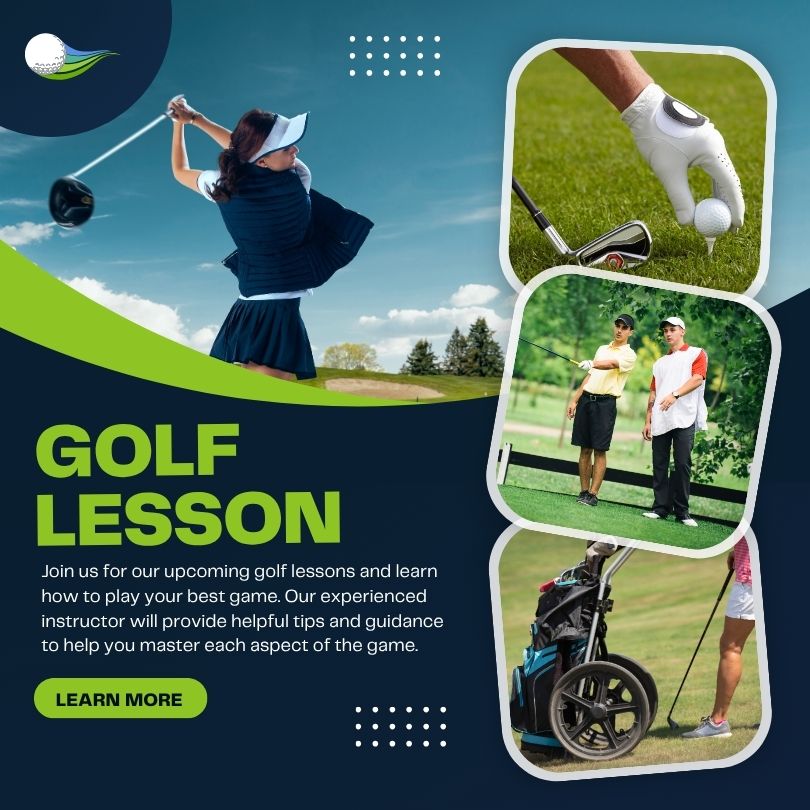
Advanced players look for specialized help to improve specific parts of their game. These clients usually want sophisticated analysis and custom practice plans. They value informed feedback and clear ways to measure improvement.
Junior golfers offer a specialized but growing opportunity. Parents now spend more on structured golf lessons for their kids, especially with more college scholarships available. Success with young players requires excellent communication and teaching methods that match their age.
Corporate clients want group clinics and team-building events. These groups care about efficient, fun sessions that also build skills. They often like packages that mix learning with networking.
Opportunities in private and group coaching
Private lessons remain the best way to improve quickly. One-on-one sessions help coaches give immediate feedback and make quick adjustments that speed up learning. While these cost more, private lessons build stronger relationships and usually get faster results.
Group coaching brings its own valuable benefits. Students pay less per lesson, and groups create social environments where players learn from each other. Beginners often feel more comfortable learning this way.
Virtual coaching has become another great option. Online lessons offer convenience and let you teach clients anywhere in the world. Tech-savvy clients with packed schedules love this flexible approach.
Successful golf coaches often mix these different methods. To cite an instance, see how some offer group programs for beginners and then move promising students into private lessons. You might also add virtual check-ins between face-to-face sessions.
These market patterns help you position your golf lesson business the right way. You’ll make more money by choosing specific types of clients and teaching formats that match your strengths and local market needs.
Define Your Niche and Coaching Style
Your golf instruction business’s success depends on picking the right focus. You’ll need to decide who you want to teach and how you’ll be different from other coaches before spending money on equipment or marketing materials.
Beginner, junior, or advanced specialization
Picking one type of student lets you become an expert and create better lessons. The NASM says there’s high demand for specialized golf fitness programs that target specific groups of golfers. Here are your options:
Beginner specialists build strong foundations. These coaches know how to make complex ideas simple and create a comfortable space to learn. New players look for teachers who explain basics clearly without drowning them in technical details.
Junior golf coaches teach young players through structured programs. The PGA.Coach program shows that positive early experiences keep young players interested in golf. Junior coaches must be patient, enthusiastic, and know how to make learning fun while adding new challenges.
Advanced player coaches help skilled golfers improve specific parts of their game. This path needs deep technical knowledge and usually involves advanced analysis tools. These instructors typically need their own competitive playing experience.
Most successful golf coaches start with one specialty. Their offerings grow as their reputation builds. Your playing history and way of communicating will point you toward the group you’ll connect with best.
In-person vs. virtual coaching
Your choice between these formats shapes everything from equipment needs to pricing. Each approach has its own benefits.
In-person instruction gives direct, hands-on feedback that students really value. New players especially benefit from face-to-face lessons to learn proper swing mechanics and avoid bad habits early. Nothing beats being able to adjust a student’s grip or posture in person.
Virtual coaching has grown faster recently because distance doesn’t matter anymore. One instructor puts it this way: “The real magic is that you can work with whomever you want, geography be damned”. Online teaching usually involves students sending videos that coaches analyze and give detailed feedback on.

Busy clients love virtual coaching’s convenience. Success here depends on students knowing how to record good swing videos. Clear video recording instructions help solve this challenge.
These days, many teachers use both methods. They schedule in-person lessons and add virtual check-ins between sessions. This mixed approach works best for intermediate players, who benefit from combining online resources with individual in-person teaching.
Creating your unique teaching philosophy
A clear teaching approach helps you stand out and lets clients know what to expect. Your philosophy should show your values and methods while explaining how you’ll help players improve.
Think over these questions:
- How will you handle each golfer’s unique swing?
- What mix of technical teaching and feel will you use?
- How will you track student improvement?
One successful teacher explains, “Since everyone is uniquely different, no two golf swings are the same. Every golfer’s swing has specific strengths and weaknesses”. This teacher builds on each player’s best qualities while fixing their biggest weakness.
Another coach keeps things simple: “My swing philosophy can be summed up in one phrase: keep it simple… Instead of teaching a person how to hit a golf ball, I coach you on how to play the game of golf”.
Your approach should work for different learning styles. Some students learn by watching, others by doing, and some through explanations. Good teaching adapts to these differences.
Write down your teaching philosophy. This helps potential students understand your methods before booking. Yes, it is true that “The statement that a professional isn’t afraid to publish lets his students know that the information he distributes… has a sound basis”.
Note that your philosophy will grow with experience. The best instructors always improve their methods based on student feedback and results.
Set Up the Legal and Business Foundation
A solid legal framework is the backbone of your golf lessons business. The best golf coach needs proper legal structures to avoid unnecessary risks and complications.
Choose a business structure
Your choice of legal structure affects your tax obligations, personal liability, and daily operations.

Golf instructors have three main options:
Sole proprietorship needs minimal paperwork and has the simplest setup. This structure works best when you’re just starting out. But it doesn’t separate personal and business assets, which puts your personal finances at risk if accidents happen during lessons.
Partnership works well if you team up with another golf pro. You can share responsibilities and costs, but face similar liability risks as a sole proprietorship.
Limited Liability Company (LLC) gives golf instructors the most protection. An LLC separates your personal assets from business liabilities. This protection is vital since accidents can happen during swing demonstrations or practice sessions. LLCs also offer tax flexibility and make your golf instruction business look more credible to potential clients.
A legal advisor can help you pick the structure that matches your long-term goals.
Register your business and get insurance
Pick a memorable, professional name that shows your teaching philosophy or niche after choosing your structure. Check online databases to see if the name is available before registering with local authorities.
Local regulations vary about permits and licenses. Your local government offices can give you specific details. Each region has different rules for coaching businesses, which makes this step vital for legal operation.
Insurance is a must-have for your golf lessons business. You need:
- Liability insurance for accidents or injuries during lessons
- Professional liability insurance against claims of financial loss from clients
- Equipment coverage to protect your teaching tools and gear

Most golf courses and driving ranges want proof of insurance before you can teach there. The right coverage protects you against potential claims.
Clear pricing and lesson details build trust with students. Upfront costs help create lasting relationships with clients.
Open a business bank account
Start a dedicated business bank account as soon as money flows through your business. This creates a clear line between personal and business finances, vital for taxes and liability protection.
Opening a business account usually requires:
- Your Employer Identification Number (EIN) or Social Security Number (for sole proprietorships)
- Business formation documents
- Ownership agreements
- Business license
Business banking offers more than personal accounts:
- Protection by keeping business and personal funds separate
- Professional image when clients pay by card or check
- Employee access to handle routine banking tasks
- Business credit lines for emergencies or equipment
Compare account options from different banks carefully. Look at introductory offers, interest rates, transaction fees, minimum balances, and monthly charges. Online accounts rarely have monthly fees, while physical banks often do, but they’ll waive them with a minimum balance.
The right legal and financial foundation prevents future problems. These structures let you focus on what you do best: sharing your golf expertise with eager students.
Choose the Right Location and Equipment
Your golf instruction business needs the right teaching location and proper equipment as its foundation. These choices will affect how well you teach and how satisfied your clients are.

Partnering with golf courses or ranges
Golf facilities that are already running give you instant credibility and connect you with existing golfer communities. Before you approach these facilities, prepare a clear pitch that shows how your teaching services can help their business grow. Most courses like instructors who bring new clients or offer specialized programs their current staff doesn’t provide.
These arrangements deserve careful thought when you negotiate facility partnerships:
- Flat monthly rental fee for teaching space
- Percentage-based commission on lesson revenue
- Hybrid models combining base rent with reduced commission rates
Such partnerships often come with extra benefits like practice balls, club storage, or preferred tee times for your students. But remember that facility partnerships usually mean dealing with scheduling limits and other instructors competing for students.
New instructors often find better opportunities at smaller, less prestigious facilities where they face less competition for teaching spots. Your reputation will help you build relationships with upscale venues over time.
Setting up a home-based or mobile setup
Mobile teaching has become incredibly popular because it offers flexibility that traditional facilities can’t match. Premium mobile setups can include full simulator experiences with high-definition projection screens, advanced launch monitors, and professional coaching capabilities.
Mobile instruction gives you these advantages:
- Teaching at clients’ preferred locations
- No facility rental costs
- A clear edge over competition
- Weather-independent instruction options
Professional-quality teaching environments can now go almost anywhere thanks to mobile simulator setups. These portable systems use advanced technology like high-speed cameras, sensors, and specialized software to create authentic golf experiences.
Portable hitting nets, alignment aids, and simple video recording equipment make great budget-friendly mobile options. The best part about mobile teaching? You can upgrade your equipment gradually as your business grows instead of making big investments upfront.
Home-based setups need careful space planning. Even small backyards or garages work well for basic teaching stations if you take proper safety measures. Systems like EZTube offer customizable, easy-to-assemble structures that work perfectly for home teaching stations.
Essential tools: clubs, swing analyzers, video tools
Start with simple teaching equipment before buying advanced technology. You’ll need these basics:
- Demonstration clubs in various flexes and lengths
- Alignment sticks and training aids
- Impact tape or spray to analyze strike patterns
- Simple measuring tools (lie boards, etc.)
Equipment specialists point out that beginners don’t need all 14 clubs that golf rules allow. Novice players hit most clubs similar distances, so a simpler set works better until they develop consistency. This knowledge helps you give practical equipment advice to new students.
Video analysis tools have become essential for professional instruction. Modern systems like Swing Catalyst can capture up to four synchronized high-speed video streams while adding data from force plates and launch monitors. These tools let you draw on videos, use overlays, and make side-by-side comparisons to show swing improvements.
Advanced analysis has become more portable thanks to recent tech innovations. Full Swing and Onform now work together to help instructors create mobile teaching academies using just a launch monitor, iPhone and iPad. This system records multiple angles at once and includes ball and club data – features that used to need expensive indoor setups.
Smartphone-based analysis apps offer many similar features at lower prices for budget-conscious instructors. Technology can boost your teaching capabilities, but your expertise and ability to communicate remain your most valuable assets.
Design a Curriculum That Works for All Levels
Golf lesson plans that work are vital for student success and business growth. A well-laid-out curriculum acts as a roadmap that takes players from their first swing to advanced skills.
Lesson structure for beginners vs. advanced players
New players need instruction focused on fundamentals that builds confidence. The best approach for new golfers has a five-lesson progression: putting, chipping/short game, irons/full swing, driving/full swing, and playing a hole. This step-by-step structure lets novices build skills gradually without feeling overwhelmed.
Advanced students need specialized skill development and performance optimization. These players get better results from lessons that explore swing mechanics, course management, and mental game strategies. Advanced curricula should have:
- Data-driven analysis of current performance
- Specific drills targeting identified weaknesses
- On-course application of skills under playing conditions
Students at any skill level should get hands-on experience after the instruction segment. This hands-on practice connects training to actual play.
Note that scheduling plays a key role. Each session should run 60-90 minutes, and students should have clubs and balls at no extra cost. Programs that offer free orientation sessions before paid lessons begin see substantially higher participation and retention rates.
Incorporating visual aids and feedback loops
Visual aids make learning faster and easier. To name just one example, see David’s approach with breaking putts: “By using a visual aid, you can get quicker results”. Simple tools like alignment sticks or hula hoops give students visual targets that help them grasp concepts right away.
The feedback loop helps students learn about their performance. Good feedback comes in two forms:
- Knowledge of results (KR): Information about the outcome (“you missed the green to the left by 10 yards”)
- Knowledge of performance (KP): Information about the movement pattern itself
Launch monitors give excellent knowledge of results, while motion analysis systems provide knowledge of performance. Both types let students make proper adjustments.
Timing feedback matters. Golf swings happen too fast for players to process information during execution. This makes augmented feedback, from video replay, launch monitors, or verbal coaching, vital.
Using golf instruction tips to improve retention
Students learn better when they understand not just what to do but why they’re doing it. One instructor points out, “A good golf lesson should leave the pupil satisfied that they understand what they are doing wrong and why”.
Teachers should give simple swing thoughts and drills that students can practice on their own after explaining concepts. These practice activities build muscle memory and reinforce learning between lessons.
Progress tracking keeps motivation high. Many coaches keep journals of student development. This practice keeps students involved and gives insights into their improvement patterns.
Game-based learning sticks better with students. Learning through challenges, like chipping competitions or putting accuracy contests, gets students excited in ways traditional drills can’t match. This approach turns practice from a chore into fun.
Communication style shapes how well information sticks. Technical jargon confuses beginners, but advanced players often like deeper technical discussions. Your language should match each student’s knowledge level and learning style. Take 87-year-old Frank who plays nine holes twice weekly; he needs simple concepts, not complex technical explanations.
Build Your Brand and Market Your Services
Your brand identity makes all the difference in attracting and keeping golf students. A professional look sets you apart and leaves a lasting impression on potential clients.
Creating a logo and website
Start by developing a brand that shows who you are as a teacher and who you want to reach. Strong branding builds emotional connections between you and your customers. Keep your logo simple but memorable, something that clicks instantly with your teaching style and student experiences.

Think of your website as your digital front door that shows off your teaching approach, credentials, and student success stories. A solid website needs:
- Your background and expertise
- Clear packages and prices
- Real student stories and results
- Easy ways to reach you and book lessons
- Quality photos and videos of your teaching style
Getting your Google My Business listing up and running is a vital step to show up in local searches. This free tool helps students find you when they look for “golf lessons near me.” Your website should also include keywords like “golf lessons,” “golf instructor,” and “golf coaching” to rank better in searches.
Using social media and local outreach
Instagram shines as a platform for golf instruction because it’s so visual. Quick swing analysis clips, progress comparisons, and tips get people talking. Facebook helps you build golf improvement communities, while LinkedIn connects you with companies looking for team activities.
Mix up your content to reach more people:
- Videos that break down common swing mistakes
- Tutorials that tackle specific problems
- Stories about student breakthroughs
- Quick tips that show what you know
Put these videos on Instagram, TikTok, and YouTube to grow your audience and build your name. Even short lessons on Instagram Reels or TikTok can boost your reputation substantially.

A regular posting schedule works wonders, maybe swing tips on Tuesdays and success stories on Fridays. Your followers will know exactly when to check for new content.
Referral programs and client testimonials
Personal recommendations pack the biggest punch in bringing new golf students your way. Make it official with a clear-cut referral program that rewards everyone involved.
The best golf academies reward both sides of the referral. You might give a 10% credit from a new student’s first payment toward future lessons. The person who made the referral gets the same deal, which makes everyone want to spread the word.
Some teachers sweeten the deal for bigger commitments, offering a free hour lesson for successful referrals or special perks for signing up to longer programs.
Client stories matter just as much as referrals. Collect detailed feedback about your teaching style, communication, and results. Keep track of student progress with before-and-after videos that show better swings or lower scores. These visual proofs show exactly what you can do as a teacher.
Put these success stories front and center on your website and social profiles where potential students look when making decisions. Real stories from happy clients sell your services better than any marketing pitch.
Use Online Booking Software to Streamline Operations
The success of your golf instruction business depends on how well you manage bookings in today’s digital world. Your focus should be on teaching golf, not dealing with phone calls and manual calendar updates. Modern scheduling tools can help you achieve this.
Why online scheduling is essential in 2025
Phone calls and emails take up too much of your valuable teaching time. You need a better solution. Online booking systems completely transform this process. Your students can book, reschedule, or cancel lessons whenever they want without needing your help. Modern customers expect quick service, and these systems deliver exactly that.

On top of that, online scheduling helps you avoid common teaching headaches:
- Double bookings become impossible
- Automated reminders cut down no-shows
- Your teaching hours stay optimized for maximum efficiency
Golf instruction businesses of all sizes report huge time savings after they start using golf lesson scheduling software. You can use this extra time to coach more students or improve your teaching skills.
Benefits of using Bookeo for golf lesson businesses
Bookeo comes packed with features made specifically for golf instructors. Your potential students can book lessons 24/7, even while you’re sleeping. The booking pages can match your brand’s look and feel, which gives your business a professional edge.
Getting started with Bookeo couldn’t be easier. You’ll create an account, add your business information, lesson types, and when you’re available. If you have a WordPress website, the scheduling plugin for WordPress works great on your website. You can also integrate the widget into any website builder, or you can use Bookeo’s dedicated booking page.
The system handles everything from private lessons to group clinics. This makes it perfect for growing your business with different teaching options.
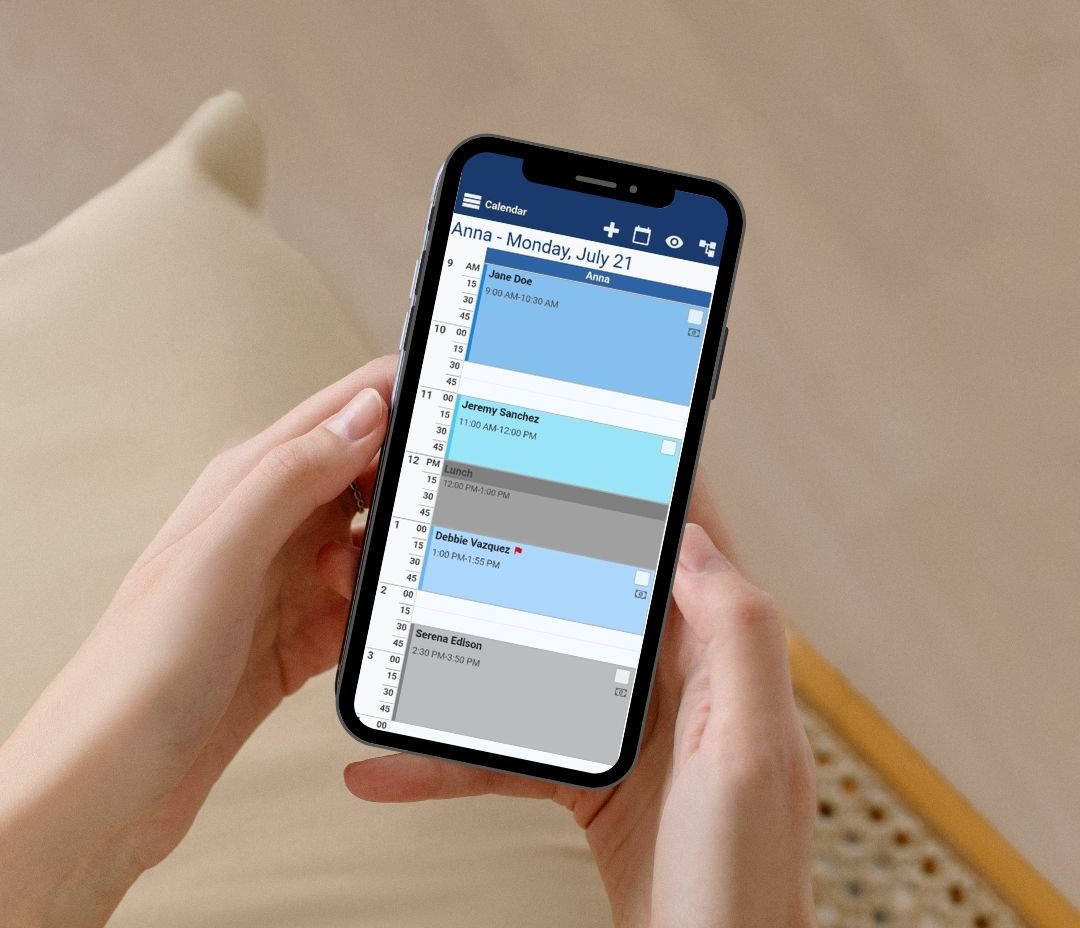
Automating payments, reminders, and client management
Running a successful golf lesson business needs more than just good scheduling – you need complete client management. These modern class scheduling systems keep all your students’ information in one place, so you can quickly check any student’s history.
Automated reminders make a huge difference. The system will:
- Send booking confirmations right away
- Text your students before their appointments
- Keep you updated about new bookings and cancelations
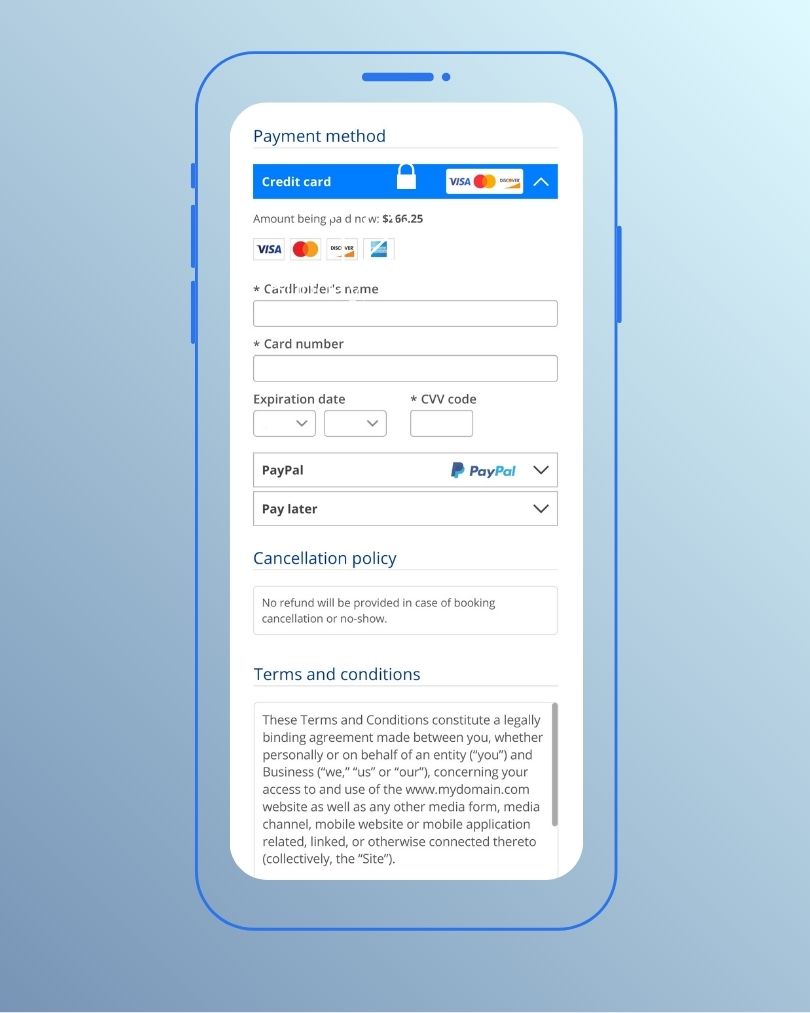
The integrated payment processing eliminates those uncomfortable money discussions. Students pay online during booking, which helps your cash flow and stops payment delays. You’ll look more professional and spend less time on paperwork.
Grow Through Partnerships and Client Retention
Mutually beneficial alliances can accelerate your golf lessons business growth. Building relationships with prominent players in the golf industry creates benefits and paths that propel development.
Working together with golf clubs and retailers
Local golf facilities and pro shops can help expand your reach through strong alliances. Many successful coaches become recommended instructors at courses and create special packages for members that benefit everyone. Here are some partnership chances to think about:
- Equipment retailers for referral exchanges
- Country clubs for exclusive teaching privileges
- Sporting goods stores for cross-promotional events
- Physical therapists specializing in golf-specific training
“If we want to give golfers the best experience possible, we have to wield the best tools possible,” notes PGA Master Professional Dr. Alison Curdt. Technology partnerships with platforms like Onform can raise your learning experience and give you capabilities that set you apart from competitors.
Group clinics and junior camps
Group instruction gets more and thus encourages more revenue than private lessons at a lower cost per person. Junior golf camps are a major growth area – PGA Junior Golf Camps focus on “fun and principled skill development” that creates paths for skill progression.
The best results come from keeping group lessons at a 6-to-1 ratio. The original revenue might seem small, but the numbers add up fast: turning half of your group participants into private students builds substantial long-term income.
Group programs help you become a resource for many more golfers. Parents love junior camps because they believe golf teaches valuable life skills – 73% of parents share this view.
Getting feedback and improving services
Client retention makes a huge difference – finding new customers costs 5-10 times more than keeping current ones. Your existing customers spend 67% more on average, too.
These retention strategies work well:
- Send customer survey forms often
- Create well-laid-out progress tracking systems
- Develop loyalty programs for package purchases
- Personalize practice plans between lessons
- Follow up after lessons with customized feedback
A well-handled complaint can boost customer loyalty. Clients who feel heard and valued become your business’s ambassadors and refer friends and family naturally.
Conclusion
Golf lessons can be a rewarding business for anyone who loves the sport. This piece explores key steps to launch your coaching career and succeed in 2025 and beyond.
You need to understand the golf coaching market to find profitable niches. A clear specialty, whether teaching beginners, juniors, or advanced players, will set you apart from competitors. Your choice between in-person, virtual, or hybrid teaching formats will shape your business model.
Strong legal foundations deserve your attention. The right business structure protects your assets, and proper insurance coverage guards against risks. Separate personal and business finances through dedicated accounts to avoid future complications.
Teaching location and equipment significantly affect your students’ experience. Working with existing facilities builds immediate credibility, though mobile setups give you flexibility that many golfers value. Even with innovative technology, simple teaching tools matter – your expertise remains your most valuable asset.
A well-laid-out curriculum forms the foundation of good instruction. Different skill levels need different teaching approaches. Visual aids and feedback help speed up progress. Simple practice activities between lessons help build lasting improvement.
Your marketing should showcase what makes your teaching unique. A social-first approach on Instagram and TikTok lets you share short instructional videos. Happy students become your best promoters through referral programs and testimonials.
The right booking software helps you spend more time teaching. Bookeo gives your clients 24/7 scheduling, automatic reminders, and smooth payment processing – features that create a professional experience.
Mutually beneficial alliances with golf facilities, retailers, and tech providers expand your reach. Group clinics and junior camps boost revenue while introducing new players to your teaching style. Regular feedback helps you improve your services and keep students coming back.
Golf instruction combines technical knowledge with people skills. Note that knowing how to connect with students often matters more than perfect swing analysis. Start small, grow steadily, and watch your golf lessons business thrive as you help players improve and enjoy this wonderful sport.