

How to Start a Language School Business: Curriculum, Marketing & Students
A striking 87% of millennials think that career growth and professional development opportunities are very important factors in their careers.
Language learning stands at the top of these professional development goals. High-quality foreign language skills are increasingly necessary as globalization expands and cultural diversity grows in many communities. The market shows great potential for anyone wondering how to start a language school business.
Your language school business needs careful planning and smart decisions. Schools don’t need traditional brick and mortar buildings to work – the COVID-19 pandemic has proven this fact. Modern entrepreneurs can choose between an online school, a physical location, or a hybrid model that combines both approaches.
Market research helps line up your curriculum and teaching format with current language education trends before you start. Starting from scratch might not be your best option – you should think this over carefully. Buying into an existing business or franchise could be easier if you lack industry experience. These 5-year-old models usually ask for an original investment but offer benefits like shared marketing efforts and national advertising campaigns.

Your financial roadmap might start with $50,000, but that’s just the beginning. This piece walks you through every aspect of starting a language school business, from choosing your operational model to building curriculum, marketing your services, and attracting students. The right tools can turn your dream of owning a successful language school into reality.
Decide How Your Language School Will Operate
Your language school’s success largely depends on picking the right operational model. This choice shapes everything from startup costs to teaching methods. Recent studies show that students are embracing digital education – 61% of undergraduates now take at least one online course. Language school entrepreneurs have three options: online-only, traditional offline, or a hybrid approach.
Online, offline, or hybrid: what works best?
Your target audience, budget limits, and teaching philosophy should guide your choice of model. Online schools give students the freedom to learn whenever and wherever they want. Busy professionals who can’t make it to regular classes find this setup particularly helpful.
Traditional classroom settings create a structured environment that boosts discipline and accountability. Students and teachers build stronger connections face-to-face, which leads to better motivation and learning results.
Hybrid models take the best parts of both worlds. A school might run a two-week intensive summer program on campus and switch to flexible online courses for fall and spring. Students get personal attention plus scheduling flexibility with this approach.
Your operational model should factor in:
- Your target market’s needs: Working professionals usually prefer online or hybrid options
- Budget limitations: Online schools need less money upfront
- Your teaching philosophy: Some methods work better in person
- Geographic reach: Online schools can teach students worldwide
Pros and cons of each model
Online Language Schools:
Pros:
- Students can learn across time zones easily
- Running costs stay low without physical buildings
- Native speakers can teach from anywhere
- Small groups or private lessons create customized learning
- Student recruitment knows no borders

Cons:
- Tech problems can stop classes
- Home learning brings more distractions
- Less social interaction and cultural exposure
- Speaking skills develop more slowly
Offline Language Schools:
Pros:
- Dedicated spaces minimize distractions
- Students motivate each other better
- Natural conversations develop faster
- Structure helps keep students on track
Cons:
- Buildings and facilities cost more
- Class times aren’t flexible
- Local students only
- Students spend extra on travel
- Bigger classes mean less individual help
Hybrid Language Schools:
Pros:
- Face-to-face meetings plus flexible work well together
- Students learn better than pure online or offline methods
- More students stick around (95% vs 81% for online-only)
- Learning adapts to each student’s needs
- Students experience the culture while keeping flexible schedules

Cons:
- Managing online and in-person classes gets tricky
- In-person sessions mean travel costs
- Intensive periods might overwhelm students
- Scheduling becomes more complex
Smart tools make running any type of language school easier. Bookeo helps manage class signups, payments, and reminders automatically. This frees up time to focus on teaching. Students love booking their own classes, especially in online or hybrid programs where flexibility matters most.
The best model matches your business goals and your students’ needs. Each option brings its own benefits, so pick what fits your situation rather than following trends.
Define Your Target Market and Language Offerings
Your language school’s success depends on finding the right audience. This shapes your curriculum and marketing strategy. The International Association of Language Centers shows schools that target their marketing see enrollment increases of up to 30%. So knowing your target market early helps you customize your offerings to appeal to them.

Teaching children vs. adults
Children and adults learn languages in completely different ways. Kids pick up languages naturally through play and everyday interactions. Their brains easily absorb new sounds and words, and they can learn multiple languages at once without the mental strain adults face.
Adults take a different path. They need to understand grammar and structure. They learn faster at first, even though kids often become more fluent over time. Most adults come to class with clear goals – they want to advance their careers, travel, or grow personally.
Research shows kids are better at picking up language rules without trying, while adults do better with structured learning. Kids under 12 also develop better pronunciation because there’s a special window to learn sounds.
Here’s what works best for each age group:
- Kids thrive on games, songs, and stories
- Adults need clear learning paths that they can measure
- Teens need both approaches as their learning style changes
Specialized courses for professionals
The market for professional language courses keeps growing. Business professionals and pre-MBA students look for focused, intensive training. These students want specific things – better workplace communication, preparation for international work, or industry vocabulary.
Professional courses should include:
- Real workplace scenarios
- Industry terms
- Business culture
- Professional communication styles
To name just one example, see Columbia University’s English for Professional Purposes: Business program. It offers 18 hours weekly of intensive training just for business professionals and pre-MBA students. Hunter Continuing Education also runs a Professional English Certificate that helps working professionals master pronunciation, grammar, and writing.
Choosing which languages to teach
Match your language offerings to market demand and teaching abilities. Spanish, French, and German are still the most common choices in schools. But Mandarin and Arabic have become more important in the digital world.

The best language to teach depends on what your students want:
- Business students often go for Mandarin, Hindi, or German
- Academic students usually choose French or Spanish
- Travel lovers prefer Italian or Portuguese
- Government and security workers often pick Arabic
Find languages that match both your resources and local demand. Think about offering different languages – students like schools with international classmates because it gives them more chances to practice.
As your school grows, you’ll need online booking software to manage everything smoothly. Bookeo helps you organize classes, handle payments, and remind students automatically. You can focus on teaching instead of paperwork. Students love booking their own classes, especially busy adults.
Understanding your audience and offering the right languages makes your school more likely to succeed and grow over time.
Write a Business Plan for Your Language School
A complete business plan serves as the foundation of every successful language school. Almost 65% of language schools with well-laid-out business plans become profitable within their first two years. Your school’s growth depends on a blueprint that pays attention to specific details.

Set your goals and mission
Your mission statement should capture your school’s purpose and values in a clear way. Keep it short but memorable; under 100 words works best. Global Lingua Academy shows this perfectly. Their mission “is to equip students through language education, encouraging cultural understanding and global communication skills to thrive in an interconnected world”.
Your language school needs both short and long-term targets:
- Revenue milestones (e.g., USD 2 million in three years)
- Market share objectives
- Service expansion timelines
- Profitability targets (e.g., 15% net profit margin)
- Student enrollment numbers
Estimate costs and revenue
Your financial projections should cover the first three years. Start by listing all startup costs like classroom space, teaching materials, technology, and marketing. A sample business plan shows USD 500,000 needed for program development, tech infrastructure, and cultural immersion programs.

Monthly operating expenses for a language school include:
- Rent/lease payments (USD 1,500-5,000 per month)
- Teacher salaries (approximately USD 4,000 monthly)
- Utilities and maintenance
- Educational materials
- Marketing budget
- Insurance and certifications
- Administrative costs
Student enrollment often changes with the seasons. Summer months bring more registrations as students have extra free time. Your cash flow analysis must account for these changes to avoid surprises.
Tracking fixed expenses (like rent) separately from variable costs (like teaching materials) helps you predict monthly financial needs more accurately. This lets you adjust your projections as enrollment changes.
Plan your pricing and services
Your pricing strategy shapes both enrollment and profitability. Look at what competitors charge in your area. As experts point out, “In the quest to give your team language skills, the one-size-fits-all approach falls short”.

Here are different pricing models to think about:
- Cost-plus pricing: Adding a markup to your costs (e.g., USD 0.10 per word cost with USD 0.15 charge)
- Value-based pricing: Setting prices based on perceived value
- Tiered pricing: Different service levels at various price points
Language schools use many pricing approaches. A university program charges USD 3,000 for each four-week course, twice what other schools charge in the same city. Another school attracts many students with budget-friendly rates at USD 750 per course.
Columbia University’s English for Professional Purposes offers a good model for services. They provide 18 hours of intensive training weekly for business professionals.
Online booking software makes running a language school easier.
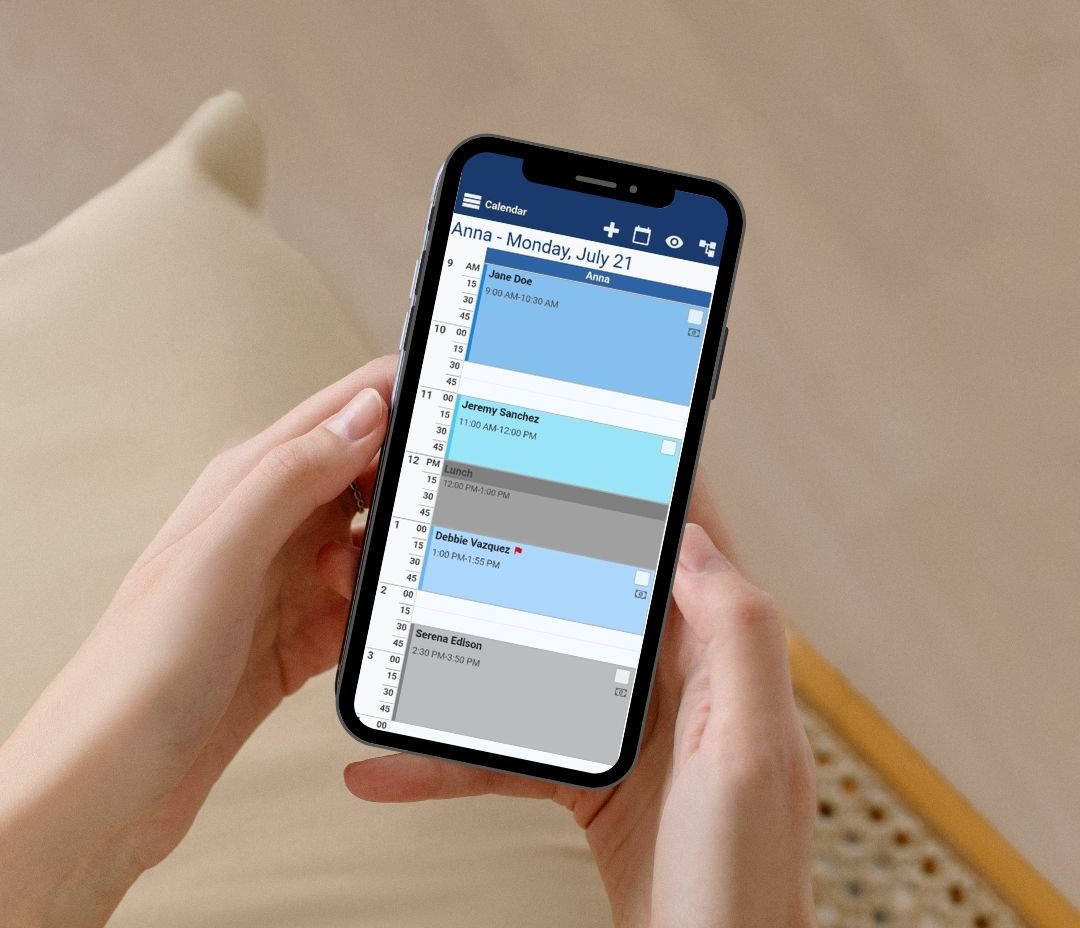
Bookeo handles class registrations, payments, and sends automatic reminders to students. Teachers and staff can focus on education instead of paperwork. Adult learners with busy schedules love booking classes themselves, which helps prevent dropouts due to scheduling issues.
Understand Legal and Licensing Requirements
Running a language school comes with different legal requirements based on where you are. You need to learn about registration rules, teacher qualifications, and insurance coverage to avoid making pricey mistakes and build trust with future students.

Registering your business
Your location and business model determine the legal structure of your language school. You can run a language school as an individual or a legal entity in many countries. Here’s how the registration process works in different places:
- Sole proprietors must apply to the Central Register and Information on Economic Activity (CEIDG) online
- Partners need written agreements, and each partner must register separately
- ESL schools in the US that want to enroll international students must meet extra requirements
Schools that want to issue I-20 visas (F-1 or M-1) for international students need certification from the Student and Exchange Visitor Program (SEVP). This needs state approval and accreditation from a nationally recognized agency. Schools submit applications through Form I-17 in the Student and Exchange Visitor Information System.
Teacher certifications and curriculum standards
Teacher requirements change based on your location and the type of language teaching you offer:
- Some places don’t ask for formal teaching qualifications or linguistics degrees
- Other areas need specific certifications, especially if you want accreditation
You should check with local education authorities about current requirements before you start your school. Rules often change and vary a lot between different areas.
Many regions ask private language schools to get their programs approved. New York’s Bureau of Proprietary School Supervision (BPSS) reviews curricula based on:
- Appropriate entrance requirements
- Content that develops skills needed for employment
- Effective instructional methods
- Equipment that matches industry standards
Insurance and compliance
Language schools must have proper insurance coverage. A complete insurance package usually has:
- Public liability insurance – Covers legal and compensation costs if students, parents, or visitors get hurt or their property gets damaged
- Professional indemnity insurance – Guards against claims about professional mistakes, like failing to teach properly or supervise adequately
- Employers’ liability insurance – Required for schools with staff to cover work-related illnesses or injuries
- Buildings and contents insurance – Protects physical structures and belongings

Insurance providers offer special packages for language schools. These packages often give you access to legal advice and education consultancy services.
Schools with international students should think about specialized international student insurance that covers:
- Emergency medical expenses
- Repatriation
- Personal liability
Starting with good legal compliance builds a strong foundation for your language school business. Industry associations and legal resources help you stay updated about rule changes and protect your investment as you grow.
Build a Strong Brand and Online Presence
A strong online presence and memorable brand go hand-in-hand when building your language school business. Research shows that 91% of people prefer visuals over text. Your brand needs professional design to stand out in today’s competitive language education market.

Choosing a name and logo
Your school’s name should mirror your mission and teaching philosophy. A powerful name combined with a professional logo creates an identity that students recognize instantly. The colors, typography, and visual style you pick are the foundations of your brand identity.
Your brand tells a story that sets your language school apart from others. Every branding element needs consistency across all materials. A professional graphic designer can help you develop a Brand Book that has:
- Your school name and memorable slogan
- Color palette (avoid random color combinations)
- Typography guidelines (distinctive fonts)
- Logo variations and usage rules
Your brand should tap into emotions, values and make a clear promise to students. Schools targeting professionals might focus on career growth, while those teaching children could showcase fun and cultural discovery.
Creating a website and social media profiles
Your online marketing strategy starts with an accessible website that works perfectly on all devices. Pick a short domain name that ends with .com and matches your school name. Stay away from free domains – they look unprofessional and might make potential students trust you less.

A good website needs:
- Clear course descriptions with prices and schedules
- Student testimonials that build credibility
- Prominent call-to-action buttons
- Mobile-friendly design (many students browse on phones)
- Accessible interface with clean design
- Multiple contact options
Social media lets you connect directly with your audience. Instagram and TikTok work great for sharing quick tutorials and cultural snippets. Facebook builds community, LinkedIn reaches professionals, and YouTube lets you share detailed lessons. Regular posts and engagement with followers help build lasting relationships with current and future students.
Using SEO to attract students
SEO makes your language school visible in search results. A website alone won’t cut it – language school SEO plays a vital role in today’s competitive market.
Good SEO starts with keyword research in all languages you teach or target. To cite an instance, if you teach English to Spanish, French, and Mandarin speakers, you need popular search terms in each language. Schools offering global courses should focus on local positioning by adding location-specific keywords and content.

Google cares about content quality more than keyword density. Original, high-quality content that shows what makes your school unique helps prevent “hidden plagiarism” flags from search algorithms.
Schools using professional scheduling systems often see higher conversion rates. Online booking software streamlines operations in language schools of all sizes. Bookeo helps manage class registrations, process payments, and send automatic reminders – cutting down administrative work. Students love self-service booking because they can enroll in classes and pay whenever they want.
Hire and Train Qualified Teachers
The quality of your teaching staff makes or breaks your language school’s success. Research shows that 41% of teacher candidates would leave their job if they didn’t get proper training and onboarding. You need to select talented teachers carefully, train them well, and create a supportive environment.
What to look for in instructors
Qualifications and personality traits are both important parts of hiring language teachers. Most language schools need instructors to have:
- Master’s degree in TESOL, Linguistics, or Modern Language Education
- At least two years of experience teaching ESL or foreign languages
- Native-level proficiency in the language they’ll teach
- Strong listening and communication skills
Look beyond formal credentials for teachers who can adapt and show cultural sensitivity. Great language teachers read the classroom environment and adjust their methods based on student needs. They connect with their students’ experiences and help them feel like they belong from day one.
Your instructors must have solid foreign language skills with a deep understanding of grammar rules and how people learn second languages. Basic teaching abilities like classroom management and lesson planning are the foundations of good instruction.
Training and onboarding tips
The first 90 days make up a teacher’s onboarding experience at your school. Don’t treat it like a checklist – build a detailed program that covers school policies, curriculum standards, technology resources, and expectations.

Send important documents before they start – class schedules, staff handbooks, and training materials. Welcome new teachers by introducing them to their colleagues and showing them around the teaching spaces.
Match each new teacher with an experienced mentor who can share insights from their own experiences. This peer support helps build relationships among your faculty and creates a sense of belonging.
Meet regularly during the first month to give feedback and track progress. Talk about adapting to different class levels, trying various teaching methods, and reviewing student feedback.
Bookeo’s online booking software makes onboarding easier for language schools. Teachers can organize class schedules and access student information on one platform. The easy-to-use interface means less time learning administrative systems and more time focusing on teaching excellence.
Creating a positive teaching culture
Empathy builds a positive teaching culture. Teachers who understand their students’ challenges create spaces where students feel safe making mistakes, a key part of learning languages. Good language instructors welcome students and create chances for active participation.
Support ongoing professional growth through workshops, seminars, and peer learning sessions. The Center for English Language Studies at The New School shows great examples of faculty development programs, including TESOL Methods Intensives and specialized workshops.
Encourage passion for teaching and language learning. Teachers who love what they do pass that excitement to their students, which creates better learning environments. Recognize achievements and provide opportunities to grow.
Schools that invest in teacher development keep more teachers. Building an environment where teachers can improve their skills creates better student outcomes and builds a stronger reputation for your language school.
Use Online Booking Software to Simplify Operations
Language schools face countless administrative tasks that can overwhelm educators at any level of experience. Schools need automated booking systems as essential tools to cut down paperwork and administrative load. Research shows schools using automation save up to 20 hours each week on administrative work.

Why automation matters for small schools
Small language schools with limited staff members see dramatic improvements in how they operate through automation. Tasks that used to take hours, scheduling classes, tracking attendance, and processing payments, now happen automatically. This lets you concentrate on teaching and expanding your business.
Key benefits of automation for language schools include:
- No scheduling conflicts or double-bookings
- Fewer no-shows with automatic reminders
- Less human error in administrative processes
- Better record-keeping and reporting capabilities
Staff members can spend more time helping students instead of dealing with paperwork when schools automate routine tasks. This transformation in priorities results in better student outcomes and happier students overall.
Benefits of using Bookeo for scheduling and payments
Bookeo’s class scheduling software makes daily operations smoother by handling bookings, payments, and communication automatically. You can adjust teacher schedules based on their availability and mark days they take off.
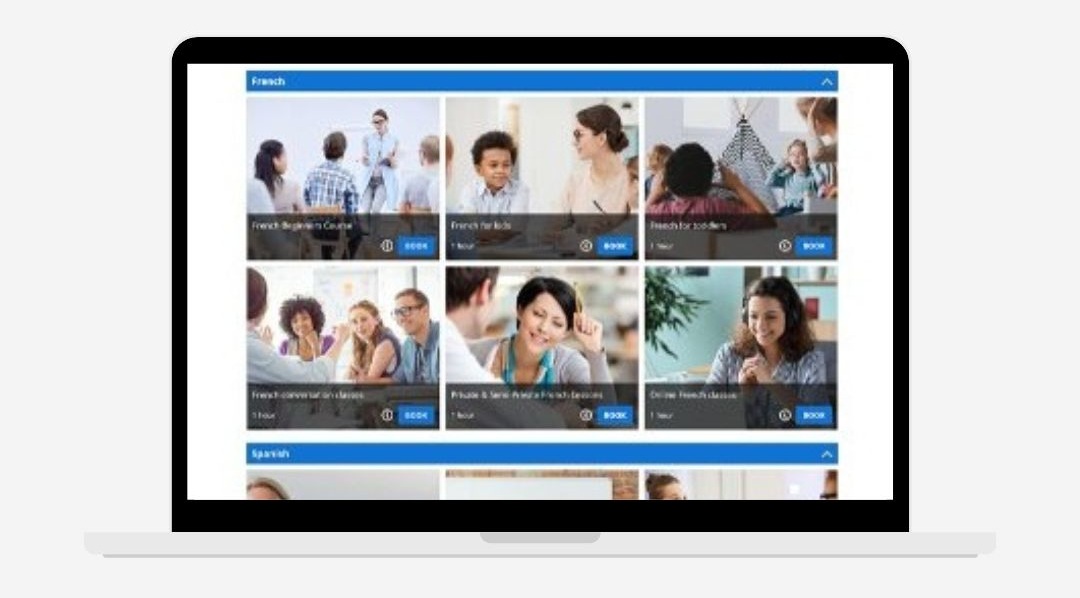
Getting started with Bookeo takes minimal effort. A free 30-day trial lets you add courses, classes, and private lessons with descriptions and multimedia content. The platform makes shared payments possible through supported payment gateways. Revenue comes in 24/7 without constant monitoring.
Teachers get immediate updates about their schedules through mobile calendar access. They can see class rosters with student details, payment status, and attendance records without extra administrative work.
Improving student experience with self-service tools
Students have a better experience with self-service booking. They can sign up for classes, pay fees, and change their sessions without making calls or sending emails. Busy adult learners find this especially helpful since scheduling issues might otherwise force them to drop classes.
Students now need just 2 minutes to book their classes. Automatic notifications keep them updated about upcoming sessions, which helps maximize attendance.
Self-service tools let students pick courses that match their schedules and goals. This personalization ended up creating higher satisfaction rates and better student retention for language schools.
Launch and Promote Your Language School
Language schools thrive on personal recommendations. School owners rank word-of-mouth among their top three marketing channels, with 96% reporting its effectiveness. Your marketing strategy should turn every student into a brand ambassador, unlike traditional business approaches.
Pre-launch marketing ideas
Free one-time group classes will showcase your teaching style before you open your doors. Students can experience your approach firsthand through these sessions. Local libraries, bookstores, and community centers make excellent partners to connect with learning enthusiasts.

Build anticipation with a social media countdown. Spark interest by sharing classroom setup photos, introducing teachers, and previewing learning materials.
Referral programs and free trials
Students learn better and stick around longer when they study together. Group enrollments surge when you give family and friends special discounts. This creates a positive cycle where students push each other toward success.
A double-sided referral program rewards current students and their friends equally. Successful students often gladly share their friends’ contact details after completing their courses.
Tracking early feedback and improving
Start-of-course and end-of-course surveys help identify your biggest fans. Reach out only to students likely to give 5-star reviews since lower ratings could damage your reputation.

Bookeo’s online language school scheduling software tracks your most productive referral sources. The platform monitors enrollment trends, handles promotional codes, and shows which marketing channels work best.
Conclusion
Language school businesses offer amazing opportunities in today’s global world. This piece shows you the key steps to turn your dream into a thriving educational venture.
The right operational model, online, offline, or hybrid, builds your school’s foundation. Each option comes with its own benefits, so pick one that matches your goals and students’ needs. Your target market shapes your curriculum design, whether you teach kids through games or adults with structured lessons.
A well-laid-out business plan guides your path to success. Your plan should list clear goals, financial forecasts, and what you’ll offer students. Then you can set prices that draw students while keeping your business profitable.
Legal rules matter a lot. Each area has its own rules about business registration, teacher certifications, and insurance. Research these rules early to avoid making pricey mistakes later.
Your brand identity attracts students by a lot. A catchy name, sleek logo, and strong web presence through SEO-ready websites and social media will make you stand out. Great teachers who mix expertise with passion create the perfect space where students learn best.
Bookeo’s online booking software makes admin work simple for language schools. Students love booking their own classes, while you get automated payments and messaging systems. This saves you time on paperwork so you can teach better and grow your business.
Free trials, referral programs, and local partnerships build your student base quickly. Student feedback helps you improve your services constantly.
Language education keeps growing as more people see the value of speaking multiple languages. Your school can lead this educational revolution by offering the quality teaching that students need. Smart planning, the right approach, and proper tools will help your language school thrive and change many students’ lives.